Показват се публикациите с етикет Ramadhan. Показване на всички публикации

вторник, 14 май 2013 г.

Ramadan, the Qur’an, and Us


The month of Ramadan is a time when we, despite the struggle, keep ourselves away from that which is otherwise permissible and a necessity in our life. For the past eleven months, at some level we have given preference to our physical self, in terms of nourishment, than our soul. We've done things we shouldn't have, we have probably neglected some duties towards Allahsubhanahu wa ta`ala (exalted is He) that we shouldn't have. Maybe we haven’t been reciting much of the Qur’an or maybe we have been neglecting some of the Prayers. 
This month is a time when Allah (be praised) commands us to limit our physical nourishment and instead focus on the spiritual – in order to give life to our hearts and fix and improve our spiritual state. This is the time to rise up and acknowledge our deficiencies during the past months and resolve to move ahead with the aim to improve our relationship with Allah (be praised), with His Book, and with His Messenger (peace and blessings be upon him). 
Ramadan, as an institution, is designed as a whole to bring our hearts back to life, thus allowing the light of taqwa (God-consciousness) to illuminate itself within us. The fasting during the day reminds us that our purpose in life is not merely to satisfy the desires of our self (nafs) and this reminder leads us to focus instead on feeding our soul. We are taught during the day to empty our hearts from the desires of our nafs so that at night we can fill it up instead with the light of the Qur’an. Therefore, we find the next logical step is the tarawih (the night Prayer offered in Ramadan) where we stand after a long day listening to the Qur’an being recited in Prayer in order to give our soul its much required nourishment. As we get in tune with this during the early phases of the month and our hearts are revived and rejuvenated, the bar is raised and during the final ten nights we stand even longer and even later in Prayer in the Tahajjud (late night Prayer) seeking the rewards of the Laylat ul-Qadr, reciting Qur’an and engaging in `ibaadah (worship) so as to fill our hearts with the sweetness of worship.
Allah says,
{The month of Ramadan [is that] in which was revealed the Qur’an, a guidance for the people and clear proofs of guidance and criterion…} (Al-Baqarah 2:185) 

The interesting thing to note about this verse here is that Allah (be praised) at the mention of Ramadan didn't talk about fasting first. When we think about Ramadan, what comes to our mind immediately? Usually, our first thought is fasting, right? But we find that Allah instead couples Ramadan firstly with the Qur’an as if to say that Ramadan’s first and foremost role in our lives should be to increase our relationship with the Qur’an and only then does He follow it with the command to fast in the month.The goal of fasting is taqwa, but what actually allows us to establish taqwa in our lives if not the Qur’an? So the logical step for us is that we need to try and prepare ourselves towards establishing a relationship with the Book of Allah. As mentioned earlier, fasting trains us to empty our hearts from desires and aspires towards a loftier goal and that goal can only be achieved with the soul food that the Qur’an provides.
Allah says in the Qur’an,
{And We made firm their hearts when they stood up and said, “Our Lord is the Lord of the heavens and the earth. Never will we invoke besides Him any deity. We would have certainly spoken, then, an excessive transgression.} (Al-Kahf 18:14)
This verse is talking about the story of the Youth of the Cave when they stood up and said to the people in their vicinity that they only worshipped Allah. They were able to do that only because Allah strengthened their hearts. However, the interesting thing to notice here is that they made the first move to get closer to Allah – Allah only strengthened their hearts when they stood up. Meaning, they had to commit to following the truth and when this commitment was proven by their action, Allah made their efforts easy for them. Likewise, in Ramadan, we need to make sure to put in the effort to establish that bond with the Qur’an. Once we start making the effort, Allah will make it easier for us and we will start tasting the sweetness of servitude. We need to go into this month not just with the intention of improving ourselves, but with actual preparation by increasing in good so that our good actions are a reason by which Allah gives us the ability to come out of Ramadan improved and forgiven. As the Messenger told us, "Whoever fasts Ramadan out of Iman (faith) and seeking Allah’s reward then his past and future sins are forgiven" (Ahmad)
Let’s try and set some goals for ourselves with regards to the Qur’an. If we don’t know how to read it correctly, let’s try to learn. If we don’t recite it often, let us take the time out everyday to recite. If we are already reciting, then we can try and add some more or increase the frequency. Let’s begin to reflect upon the guidance in the Qur’an and try to internalize the lessons therein. Let’s aim to set a powerful foundation for the Qur’an in our lives by which we can establish routines that will allows us to begin a functional relationship with the Qur’an in Ramadan and continue it thereafter so that once the devils are let out, we have a solid defense mechanism, taqwa, within our hearts to help us. After all, this is the month of the Qur’an and that necessitates that we give special attention to this Book during the month. Our aim should be to build this relationship, not just for the 30 days of Ramadan but rather setting a strong, deep, unshakable foundation for a relationship that will flourish for the next eleven months.
Taken with slight editorial modifications from suhaibwebb.com


--
"Whoever guides [another] to a good deed will get a reward similar to the one who performs it." Prophet Mohammad (PBUH)[Sahih Muslim]
Share with others 

сряда, 18 юли 2012 г.

Програма за мюсюлманите през Рамадан


Първо искам да ви поздравя с благословения месец Рамадан, надявам се ,че Аллах ще приеме поста и молитвите от вас и нас. Надявам се, че те ще ни направят по-отговорни да извършваме повече ибадат и да прекарваме времето си за спечелване на повече награди. Моля ви да ми предложите програма за мен и семейството ми, за да можем да прекараме месеца в повече добрини и с повече послушание.

Отговор: Слава на Аллах!

Молим Аллах да приеме добрите ви думи и дела и да помогне  да бъдем по-искрени – наяве и тайно.
Предлагаме ви една програма за този благословен месец:

Деня на мюсюлманина през Рамадан:

Мюсюлманина започва деня си със сухур преди салат ал-Фажр. Сухур се прави в края на нощта.

След това мюсюлманина се подготвя преди адана на салат ал-Фажр – взима си ‘уду в къщи и после отива в джамията преди викането за молитва.

Когато влезе в джамията, прави два рак’а (тахийат ал-масжид – поздрав към джамията). След това сяда и се занимава с правене на дуа, четене на Коран, зикр, докато мюезина призове за молитвата. Повтаря думите на мюезина, а след края на адана казва дуа, предадена от Пророка с.а.с. След това прави дварак’а от установените сунна (рауатиб) молитви, след което продължава с дуа или чете Коран, докато не чуе ‘икама за започването на молитвата. Тогава прави салат ал-Фажр след имама.

След извършването на молитвата, прави зикр, предписани след салам в края на молитвата, а после – ако желае, може да поседи в джамията, докато изгрее слънцето, като прави зикр и чете Коран – това е за предпочитане, защото Пророка с.а.с. обикновено е правел това след салат ал-Фажр.
После – четвърт час след изгрева на слънцето, ако желая, може да направи салат ал-Духа (с минимум дварак’а). Или ако желае, може да ги направи по-късно, когато слънцето е високо – това е по-добро.

После – ако иска, може да поспи, за да се подготви за работа, особено ако съня ще му помогне да бъде по-силен и издръжлив в служенето и работа за средствата за живот, така ще бъде награден за това ин шаАллах. Хубаво е да следва етикета за съня, предписан в шариа’ – думите и делата.

Когато отиде на работа и дойде часа за салат ал-Зухр, трябва да отиде в джамията навреме, преди аданаили веднага след него, за да е готов за молитва. Прави четири рак’а сунна (рауатиб) установена молитва преди Зухр, после може да почете Коран, докато се произнесе ‘икама, следва молитвата в джама’а, след която прави два рак’а от установените сунна молитви за след Зухр.

След молитвата се връща на работа. Ако след нейния край има време до настъпването на салат ал-‘Аср, човек може да си почине, но ако няма много време, а е решил да поспи, има опасност да се успи за молитвата. Затова е по-добре да се занимава с извършване на нещо друго, докато настъпи времето на ‘Аср – може да отиде до магазина да напазарува, или да отиде в джамията след работа и пр.

След ‘Аср, извършена по правилата, може да остане в джамията и да чете Коран, което е благоприятна възможност. Но ако се чувства изморен, трябва да почине, за да може да е отпочинал за молитвататарауих през нощта.

Преди адана на Магриб, трябва да се е подготвил за разговяването и трябва да извърши това, от което ще има полза – дали ще е четене на Коран, правене на дуа, приятен и полезен разговор с жената и децата.

Едно от най-добрите неща, които могат да се направят, е да се приготви ифтар за постещ или за повече хора – да се занесе храната, да се ораганизира всичко и т.н. Това доставя голяма радост и никой не знае по-добре от този, който я е изпитал.

След ифтар, той отива за молитва в джамията, след която прави два рак’а (установени сунна молитви за след Магриб – рауатиб). Връща се удома си, за да се нахрани, без да преяжда. После е добре да се прекара по най-приятния и подходящ начин вечерта със семейството – четене на книги, или други практични неща, шеги или разрешен разговор, или друго, което ще заинтересува и ще е приятно за семейството, ще ги отдалечи от харам, предлаган по медиите, особено в това време на деня...Стремете се да се отдалечите от харама, страхувайте се от Аллах за стадото си (т.е. семейството), за които ще бъдете питани в Съдния Ден, затова трябва да имате отговор на въпросите.

След това трябва да се приготвите за салат ал-‘Иша, отидете в джамията, четете Коран или слушайте лекциите, които се правят в джамията.

След края на салат ал-’Иша, се правят два рак’а (установени за ‘Иша), след което се моли тарауих следимама – в подчинение, скромност и със съсредоточаване, внимавайки в това, което се рецитира. Не свършвайте преди имама. Пророка с.а.с. е казал: „Който стане (и се моли) с имама, докато той свърши, ще му се запише както ако е прекарал цялата нощ в молитва“. Предаден от Абу Дауд, 1370 и другите. Класифициран като сахих от ал-Албани в Салат ал-Тарауих, стр. 15.

След тарауих можете са правите това, което отговаря на вашите лични възможности, но трябва да внимавате за следното:
Пазете се от харам и от онова, което може да доведе до харам.
Осигурете на вашето семейство това, в което няма харам и не води към него, с мъдрост – като изготвяне на програма за тях, да ги изведете в свободното време на позволени места, да ги пазите от лоши приятели или да спомогнете да имат добри приятели.
Занимавайте се с неща, които имат предимство.

Затова опитайте да лягате навреме, като внимавате за начините на сън, предписани от шариа’ – думи и дела. Ако четете Коран или други целебни книги преди сън, това е нещо добро, особено ако завършите дела за деня на Корана – така че не заспивайте, преди това.

Събудете се преди сухур, за да имате достатъчно време да правите дуа, защото това време – последната третина от нощта – е времето, в което Аллах слиза и Аллах е похвалил всеки, който е потърсил Неговата прошка в това време, като е обещал на този, който Го е повикал, да му отговори и да приеме покаянието на този, който го е направил в това време. Така че не пропускайте тази голяма възможност. 

Петък:
Петък е най-добрия ден от седмицата, така че трябва да имате специална програма за служене през този ден, като обърнете внимание на следното:
Отиване рано за Джуму’а молитва.
Оставане в джамията след салат ал-‘Аср, като се занимавате с четене на Коран и правене на дуа, защото последния час от деня е часа на отговора, когато за дуата има отговор. 
Сторете този ден възможност да завършите някои добри дела, които не сте успели да направите през седмицата – като да завършите седмичния дял от Корана и пр.

Последните десет дни на Рамадан:
Последните десет дни на Рамадан включват Лайлат ал-Кадр, която е по-добра от хиляда месеца. Затова е предписано за човека да направи и’тикаф (уединяване за служене) в джамията, за последните десет дни, както Пророка с.а.с., който го е правел, търсейки Лайлат ал-Кадр. Който може да направи и’тикаф в това време, това е голяма благословия от Аллах.

Който не може да направи и’тикаф в този период, да направи това, което е по силите му.
Ако не може да направи и’тикаф, тогава да опита да прекара нощите в служене – да моли кийам, да чете Коран, да споменава Аллах и да прави дуа. За това може да се подготвя през деня, така че да отпочива през него, за да е бодър през нощта.

Забележка:
Тази програма е само предложение. Всеки може да внесе подобрения или промени, в зависимост отсебствените си възможности.
Програмата е в съответствие и със сунната, спазвана от Пророка с.а.с. Така че не значи, че всичко, споменато тук, е задължително, защото са включени много неща, които са сунна и мустахаб.

Най-любимите дела на Аллах са тези, които са постоянни, дори да са малко. От началото на месеца човек прави повече дела на служене, като след това ги намали. Внимавайте и се постарайте да бъдете упорити и постоянни във всички дела, които сте правили през този благословен месец.
Мюсюлманина трябва да се постарае така да организира времето си през Рамадан, че да не изпусне голямата възможност за добри дела. Например, човека да се постарае да купи всичко, от което семейството му има нужда още преди да започне месеца, за да не се занимава после с това, гостуванията при и от приятели трябва да се съобразят така, че да не се пропилее от ценното време за ибадат.

Да се направят повече дела на служене и за приближаване до Аллах през този благословен месец.
Твърдо да се посещава джамията рано преди молитва, да се завърши Книгата на Аллах, редовно да се извършва кийам ал-лайл (тарауих през Рамадан) през този велик месец, да се дава благотворителност от притежаваното.

Да се оползотворят възможностите, които месеца предоставя и за правилно доближаване до Книгата на Аллах, като се спазва следното:
Четете правилно аят. Възможност да се направи това е с помощта на някой, който знае как се чете правилно.Ако нямате възможност, слушайте записи на знаещи четци.
Научете наизуст повече.

Четете тафсир (тълкуване) на аят, особено на аят, чието значение не разбирате – например Тафсир ал-Багауи, Тафсир Ибн Катир и Тафсир ал-Са’ди, или си направете програма за четене на книги по тафсир.

Стремете се да изпълнявате повелите, които четете в Книгата на Аллах.

Молим Аллах да ни подобри в благословения месец Рамадан, да ни помогне да говеем и да отслужвамекийам през целия месец, да приеме всичките актове на служене от нас и да ни прости.

Islam Q&A - № 26869

вторник, 26 юли 2011 г.

The Medical Benefits of Taraweeh Prayer

Muslims perform five daily contact prayers (Salat) and voluntary prayers (Sunnah, Nafl) throughout the year and Taraweeh prayers during the month of Ramadan. This results in moderate physical exercise particularly to every muscle in the body.

Article by: Dr. Ibrahim B. Syed, Ph.D

Muslims derive therapeutic and spiritual benefits starting from the Wudu to the physical movements in the Salat - Takbir, Qiyam, Ruku, Sajda, Jalsa, and Tasleems. Muslims perform five daily contact prayers (Salat) and voluntary prayers (Sunnah, Nafl) throughout the year and Taraweeh prayers during the month of Ramadan. This results in moderate physical exercise particularly to every muscle in the body. Some muscles contract isometrically (same length) and some contract in approximation or isotonically (same tension). The energy needed for the muscle during exercise is met by a process known as glycogenolysis. The rate of muscle metabolism increases during the performance of Salat, resulting in a relative deficiency of oxygen and muscle nutrients. In turn this deficiency causes vasodilation - an increase in the caliber of blood vessels - thereby allowing blood to flow easily back to the heart. The temporarily increased load on the heart acts to strengthen the heart muscle and to improve the circulation within the heart muscle.

During the month of Ramadan, additional prayers are performed after salatul Ishaa, called Taraweeh prayers which vary from 8 rakat (unit of prayer) to 20 rakat with a few minutes break after every 4 rakat for chanting and extolling the Majesty of Allah. After Iftar (breaking of fast) the blood glucose level continues to rise from the food ingested. Just before the Iftar meals, the blood glucose and insulin levels are at their lowest level. After an hour or so after the Iftar meal, the blood glucose begins to rise and also plasma insulin. Liver and the muscles take up the circulating glucose. The blood sugar reaches high levels in an hour or two and the benefits of Taraweeh prayers come into effect. The circulating glucose is metabolized into carbon dioxide and water during the Taraweeh prayers.

Hence the Taraweeh prayers help in expending the extra calories and improve flexibility, coordination, reduce stress-related autonomic responses in healthy persons, and relieve anxiety and depression.


Physical and Emotional Well-Being

The gentle exercises performed in Taraweeh prayers improve physical fitness, emotional well-being and increase the longevity of the Namazi (one who performs the Salat or Namaz). When a little extra effort is made, as in performing the Taraweeh prayers, there will be a betterment in the endurance, stamina, in flexibility and strength. It was noted that the five daily prayers (Salat) produce the same physiological changes without any undesirable side effects as those produced by jogging or walking at about three miles per hour. Recent research studies performed on 17,000 Harvard alumni who entered college between 1916-1950 give strong evidence that only moderate aerobic exercise, equivalent to jogging about 3 miles a day, promotes good health and may actually add years to life. Men who expended about 2000 kcal of energy on a weekly basis (equal to a daily 30-minute walk, run, cycle, swim, etc.,) had one-quarter to one-third lower death rates than classmates who did little or no exercise. In addition to the health-boosting qualities of the Salat, the Namazi will be trained to be ever ready for any unexpected physical exertion such as sudden lifting of children, chairs, or catching a public transportation vehicle. The elderly will accomplish this more securely and efficiently. Hence this is an advantage for the elderly to maintain their physical fitness for a longer period of time. It has been observed that those who fast and perform the Taraweeh prayers report feeling much convalescing and robust.


The Elderly

As human beings grow older, their physiological activity diminishes, as a result their bones become thinner and if not taken care of will suffer from osteoporosis (which causes the fractures of the bones when they fall in the elderly due to a loss of bone mineral content and consequent sponginess of the bones. The bone then becomes structurally unstable, brittle and susceptible to fractures). Primary osteoporosis is most common among postmenopausal (due to reduction in oestrogen) women or those who have undergone a bilateral oophorectomy (both the ovaries removed). Women are six times more likely than men to develop Type I osteoporosis. The three major prevention strategies of osteoporosis are a high dietary intake of calcium and vitamin D, regular exercise and oestrogen replacement in postmenopausal women. The skin also becomes fragile and crinkled. The repair processes of the body become slower and immune responses are decreased. In the elderly their physical activity is reduced as a result they have lower levels of Insulin Growth Factor 1. Reserve functions of all vital organs decrease and the elderly are more susceptible to mishaps and ailments. Because of repeated and regular movements of the body during Salat the muscle strength, tendon power, joint flexibility and the cardiovascular reserve are improved. Hence Salat and Taraweeh prayers enable the elderly to enrich the quality of life and to meet with unforeseen difficulties such as falls which could injure their bodies. Therefore Taraweeh prayers will improve their endurance, self-respect and self-confidence in being self-reliant.

Adrenaline is secreted even by minor activity. The secretion outlasts the incitement. Even after the Taraweeh prayers are over the effects of adrenaline and noradrenaline are manifest. (Adrenaline also called epinephrine is produced by the adrenal glands. The middle part of these glands, the adrenal medulla, secretes the hormone, which is chemically almost identical to the transmitter substance noradrenaline produced at the ends of sympathetic nerves. Adrenaline secretion into the bloodstream in stress causes acceleration of the heart, constriction of arterioles, and dilation of the pupils. In addition, adrenaline produces a marked increase in metabolic rate thus preparing the body for emergency.) Even the thought or the intention of performing the Taraweeh prayers is sufficient to activate the sympathetic nervous system. Sympathetic nervous system (thoraco-lumbar nervous system) is one of the two division of the autonomic nervous system, which supplies motor nerves to the smooth muscles of internal organs and to the heart muscle. Sympathetic nerve fibers arise via spinal nerves in the thoracic and lumbar regions. Their endings release mainly adrenaline, which increases heart rate and breathing rate, raises blood pressure, and slows digestive processes, thereby preparing the body for "fight or flight" and antagonizing the effects of the sympathetic nervous system. The adrenaline would redistribute the blood in the body to the active muscles, would mobilize liver glycogen if necessary in order to provide glucose for the active tissues, would diminish fatigue in skeletal muscles and would facilitate alveolar ventilation relaxing bronchiolar muscle, and would initiate cardiovascular changes. Exercise induces a more effective functioning of beta-adrenoreceptors located on cell membranes.


Beneficial effects of Gentle Exercise

The Taraweeh prayer is considered to be gentle exercise. The beneficial effects of gentle exercise on the body are many which are elaborated here.


Effects on Skeletal Muscle

Once muscles atrophy in spite of the availability of ample proteins. During the Salat and Taraweeh, every muscle in the body contracts isotnically and others isometrically. This gentle exercise also enhances endurance and diminishes tiredness. It helps the incapacitated to make the most of their remnant capabilities. The blood flow in strung muscle is low. During the prayers the blood flow is greatly increased to the muscles. Blood flow sometimes increases even before the start of Taraweeh prayers, with just the thought of performing the Taraweeh prayers. In addition to needing fats, proteins, and carbohydrates, the human body requires minerals such as Potassium for nerve and muscle activity. It is found in fruits, meats, seafood and milk. Potassium deficiency leads to muscular and neurologic disorders. Potassium is also important in the transmission of nerve impulses and is a major positive ion in intracellular fluids. Potassium is involved in cellular enzyme activities, and it helps regulate the chemical reactions by which carbohydrates is converted to energy and amino acids are converted to protein. Also Potassium ions cause vasodilation of arterioles. During the Taraweeh prayers, systolic Blood pressure may rise (the larger number in B.P.) a little and the diastolic Blood Pressure(the lower number in B.P.) may remain unchanged or even fall. However after the Taraweeh prayers are over, the B.P. may drop to just below normal levels which is a welcome sign. Taraweeh prayers improve respiratory efficiency; circulation in the capillaries surrounding the alveoli, or air sacs, is increased, and this brings about enhanced gas exchange and deeper breathing. The increase in the maximal consumption of oxygen is what makes the Namazi feel better. Those who perform the Taraweeh prayers, apart from the prescribed Salat, are more alert and active than those who do not perform the Taraweeh prayers, even after the age of retirement. Taraweeh prayers improve physical strength and joint stability and reduce the risk of injury to the tendons and connective tissues. After age 40, the bone mineral density falls with age. Taraweeh prayers increase bone mineral density in both menopausal and in elderly women and prevents osteoporosis and maintains normalcy in bone structures. Osteoporosis results in hip fractures in women after menopause and in elderly men. The risk of osteoporosis is substantially reduced by regular Salat and Taraweeh prayers. The prayers improve lubrication of joints, movement, and maintain flexibility. Deep vein thrombosis (the most common cause of ulceration of the legs in the elderly) is prevented by performing Salat and Taraweeh prayers.

Metabolic Effects

Salat improves body weight control and expend calories without proportionate increase in appetite. A combination of moderate dietary restriction, both at the Iftar and Sahur (early morning breakfast before the start of fast) meals, accompanied by the Taraweeh prayers, should achieve weight reduction. This will also reduce both fat and body weight, but fat-free weight will remain constant or may even increase slightly. Hence during Ramadan one should not overeat at the Sahur and Iftar meals and continue to perform Salat and Taraweeh prayers in order to lose some of the excess weight.

It is well known that exercise prevents coronary heart disease (CHD), increases high density lipo-proteins (HDL or healthy Cholesterol), increases maximum oxygen uptake, slows the heart, lowers the B.P. slightly, decreases ventricular ectopic activity, enlarges the lumen of the coronary arteries and increases cardiac output. Exercise also improves carbohydrate tolerance and improves late-onset diabetes, and helps cases of chronic respiratory diseases. Beneficial changes have been recorded in the lipid profile, B.P., clotting factors, weight reduction and insulin sensitivity of muscles and other tissues in persons who exercise regularly. Growth Hormone secretion is elevated by fasting and it is further elevated by Taraweeh prayers. As Growth Hormone is necessary for collagen formation, this may be an important factor as to why the skin of those who fast regularly during Ramadan and perform the Taraweeh prayers do not get wrinkled, even when they grow old.


Mental Health

It is a known fact that exercise improves mood, thought and behavior. Exercise improves the quality of life, induces greater sense of well-being and energy, reduces anxiety and depression, influences mood favorably and contributes to self-esteem and an aura of confidence; improves memory in the elderly especially with constant repetition of the Ayaat (verses) from the Glorious Quran and other Ayaat which exalt His Glory. This constant repetition of the Quranic Ayaat would help to screen the mind from the incoming thoughts. It has been found by a Harvard University researcher, Dr. Herbert Benson that repetition of a prayer, Ayaat of the Quran or remembrance (Dhikr) of Allah or muscular activity coupled with passive disregard of intensive thoughts causes a "relaxation response" that leads to the lowering of Blood Pressure and decreases in oxygen consumption and a reduction in heart and respiratory rates. All these are combined in the Taraweeh prayer which is an ideal condition for "relaxation response." It combines repeated muscular activity with repetition of Salat, chanting of words of glorification of Allah and of supplications. The Taraweeh prayer puts the mind in a relaxed state. This calm state of the mind may be partly due to the release of encephalins, beta-endorphins (endogenous morphines) and others into the blood circulation. Endorphins are any one of the neuropeptides composed of many amino acids, elaborated by the pituitary gland and acting on the central and peripheral nervous systems to reduce pain. Endorphins are categorized as alpha-endorphin, beta-endorphin, and gamma-endorphin which produce pharmacological effects similar to morphine. Beta-endorphin found in the brain and GI(gastro-intestinal) tract is the most potent of the endorphins and is a powerful analgesic(pain killer) in humans and animals. For example during childbirth many women release endorphins reducing a woman's sensation of pain. The release of endorphins is associated with an euphoria. During childbirth, women who give birth with little or no medication sometimes label this euphoria a "birth climax."

Conclusion

Islam is the only religion where physical movements of Salat and Taraweeh prayers are combined with spiritual exercise. When Salat and Taraweeh prayers are practiced throughout a person's life, recurring every few hours or so, trains a person to undertake the difficult task of meditation during physical manoeuvres of Salat and Taraweeh prayers, so that the Namazi(one who performs the Salat) benefits both from spiritual as well as physical exercise. Salat and Taraweeh prayers are unique in that tension builds up in the muscles during physical manoeuvres on the one hand, while tension is relieved in the mind due to the spiritual ingredient, on the other hand. The following benefits have been noted among those who perform the Taraweeh prayers: burning off calories and losing weight, maintaining muscle tone and body composition, joint flexibility (stiff joints are often the result of disuse, not arthritis), increasing metabolic rate, improving circulation, improving heart and lung function and aerobic capacity, decreasing heart disease risk profile, increasing your sense of self-control, reducing your level of stress, increasing your ability to concentrate, improving your appearance, reducing depression and resistance to depression, helping you sleep better and suppressing your appetite. Evidence is also accumulating that those who perform regular Salat along with voluntary prayers can conserve and actually retard the loss of bone mass in the elderly, thus staving off the ravages of osteoporosis that afflicts both men and women. It is also possible to retard the aging process and confer some protection to health in later life. Those who have performed Salat (Fard and Wajib), Sunnah and Nafl and Taraweeh prayers throughout life get protection and a positive effect in terms of health and longevity. They reverse the life-shortening effects of cigarette smoking and excess body weight. Even people with high blood pressure (a primary heart disease risk) reduced their death rate by one-half and their risk of dying from any of the major diseases is reduced. They also counter genetic tendencies toward an early death.
Hence Salat (Fard, Wajib), Sunnah, Nafl and Taraweeh prayers are necessary for Muslims to preserve life and their desirable qualities into old age.

Copyright © 2001 irfiweb.org All Rights Reserved.

Анимация на ProductiveRamadan

събота, 9 октомври 2010 г.

Рамадан 2010 по света - снимки от различни места и мюсюлмани


Поканата е била към всички читатели на The Big Picture за снимки от Рамадан 2010. Предпочитанията на организаторите са били за снимки с добро качество, непрофесионални, лични фотографии без всякакво ограничение. Били разгледани повече от 250 предложения, пристигнали от всички части на света.(41 photos total)


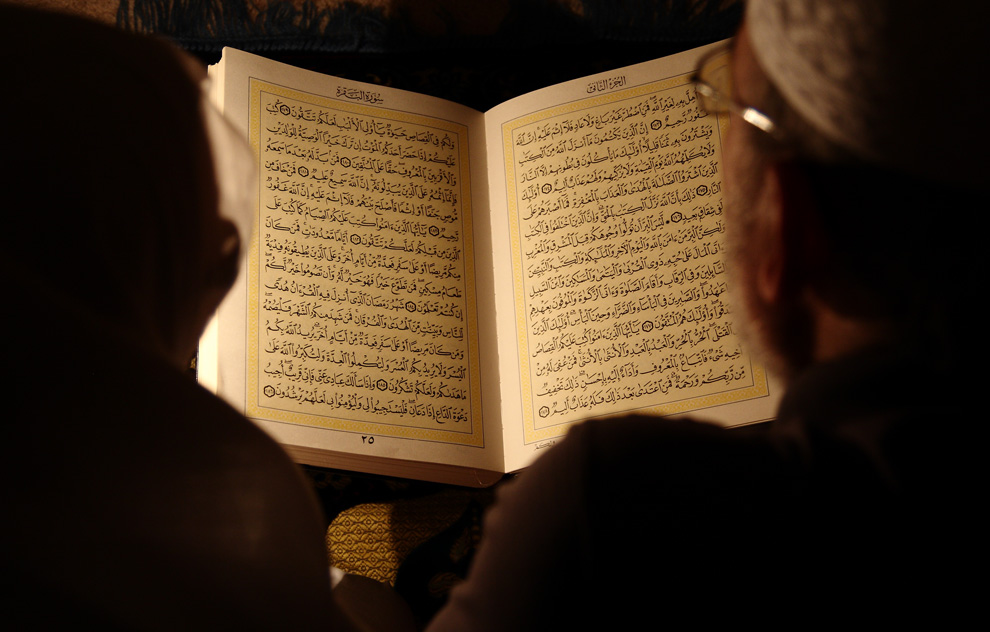
Възрастни съпрузи четат Коран, близо до Орландо, Флорида, 05.09.2010. Заедно с молитвата, четенето на Корана е много значимо служене по време на последните десет дни на Рамадан. (© Sammy Abusrur)

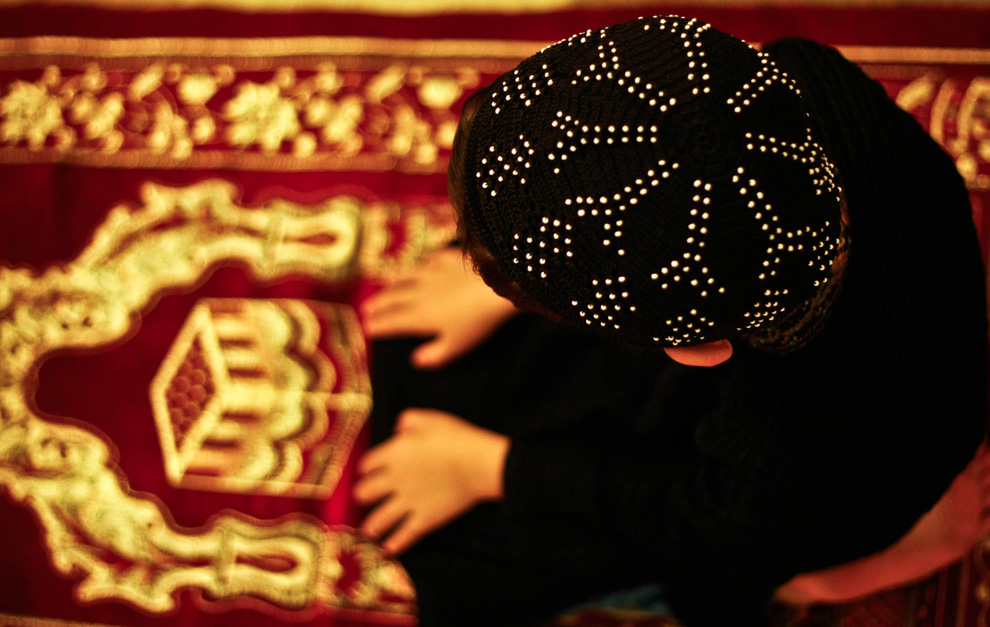
По-малкия ми брат извършва молитва по време на Рамадан, Торонто, Онтарио. (© Qurrat Ansari) #

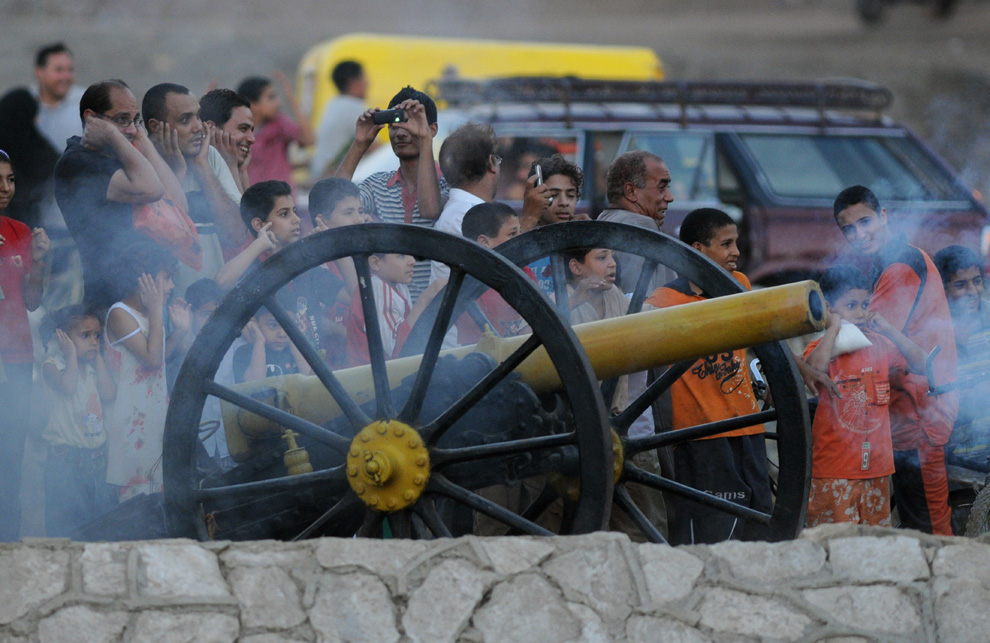
Оръдието на Рамадан - стара египетска традиция, която показва края на поста през дните на Рамадан, 15-ти август 2010, в El-Mahala El-Kubra, Египет (Mohamed Hossam Eldin ) #

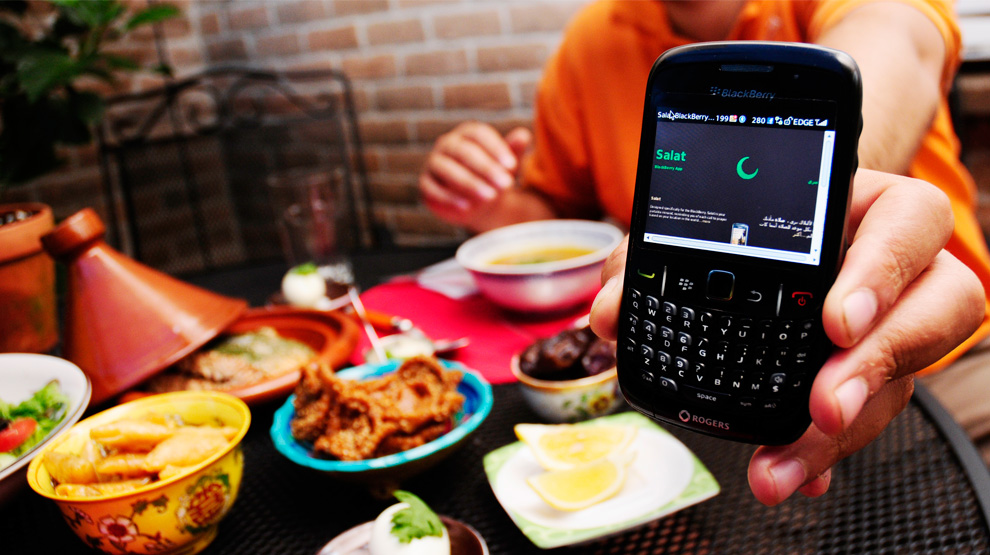
11-ти август 2010 отбеляза първия ден на Свещения месец Рамадан в Северна Америка. Ястията за Ифтар са сервирани на масата, където канадско-мароканско семейство е готово с края на дневния си пост.(© Chamsi Dib) #

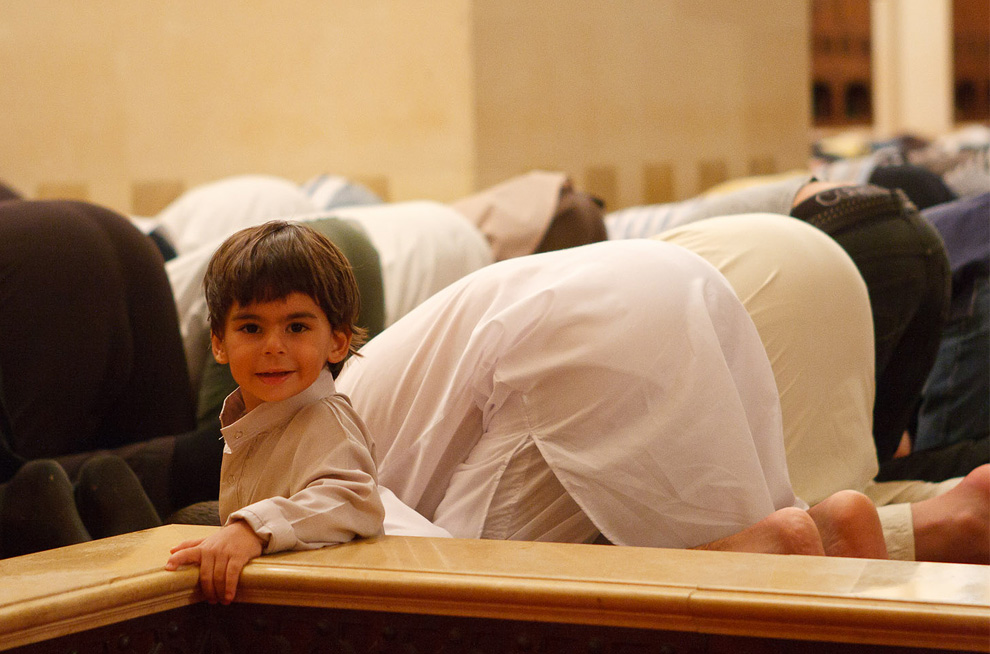
Малко дете ми се усмихва по време на петъчна Рамаданска молитва в Джамията Ал Амин, Бейрут, Ливан. (© Philipp Breu) #

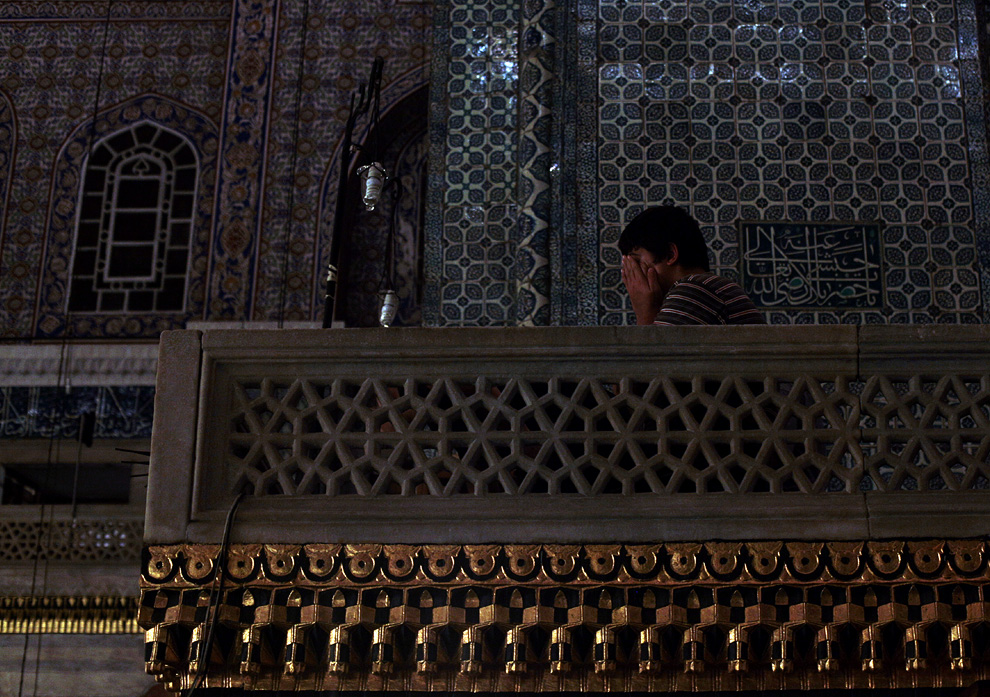
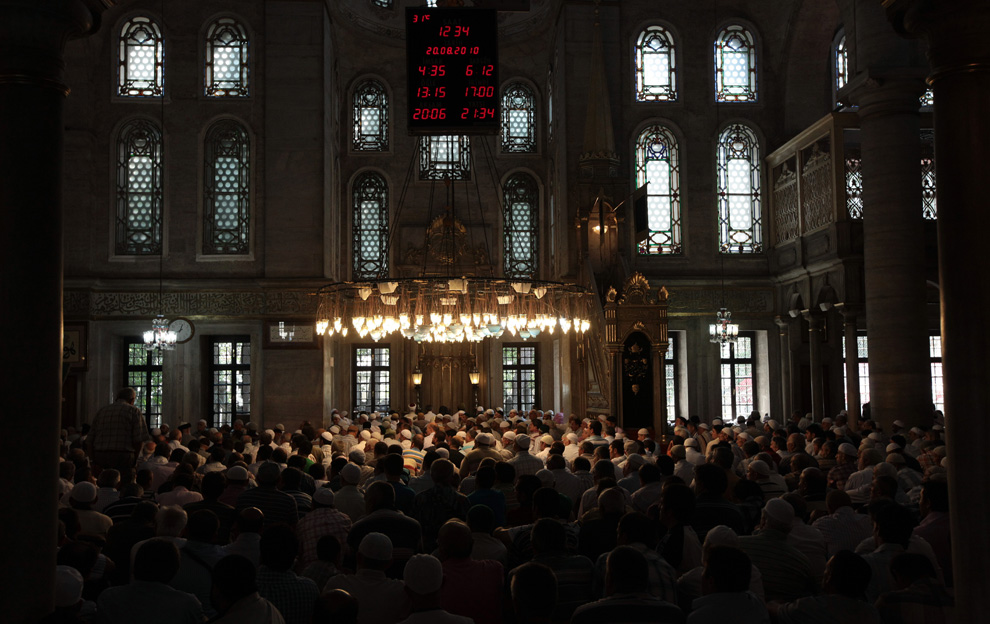
Молитва на момче в Новата Джамия в Истанбул, Турция, по време на Рамадан, 12-ти август, 2010. (© Pierre Marsaut) #

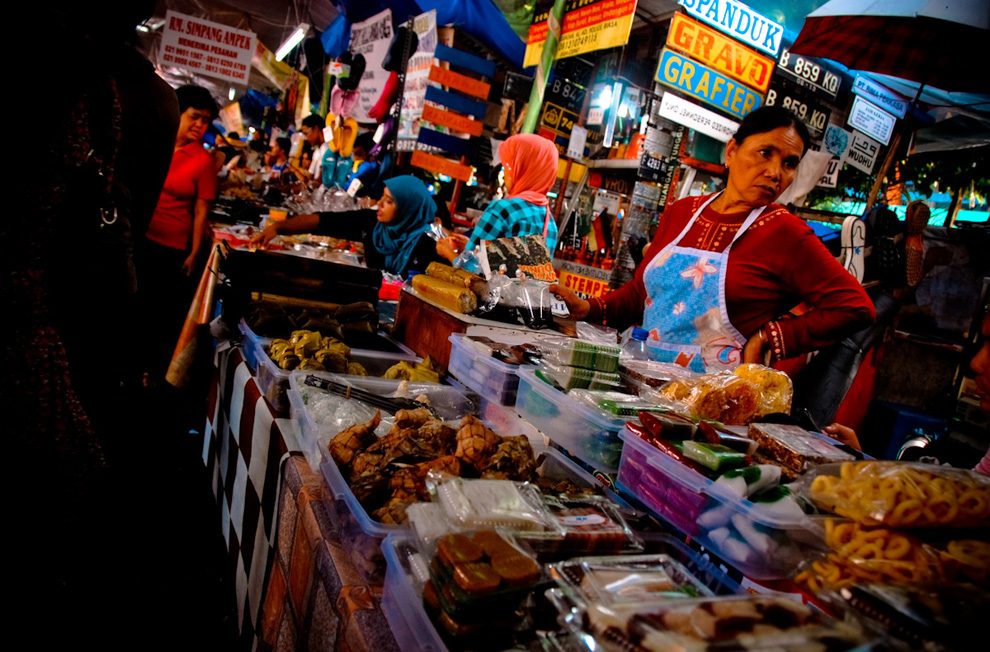
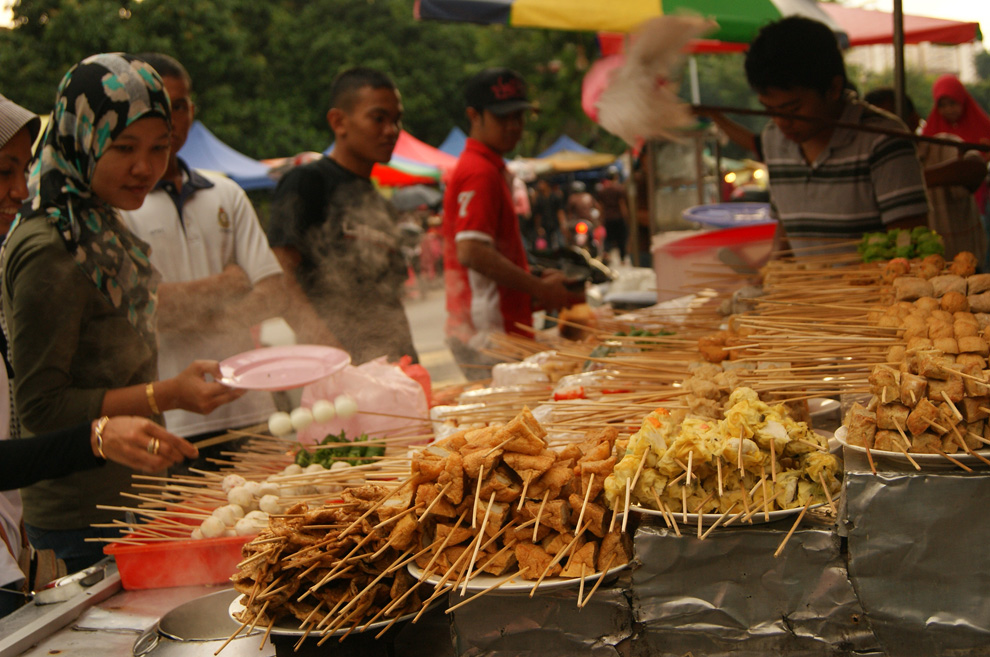
Продавачи на храна  на пазара Бендунган, Джакарта, Индонезия, 29-ти август, около 16 часа следобед. Хората обикновено купуват различни видове сладкиши, храна и продукти за края на поста през деня след Магриб (бел.пр. - залеза). Този сезонен пазар се организира само един път годишно - по време на Рамадан. (© Pitra Satvika) #

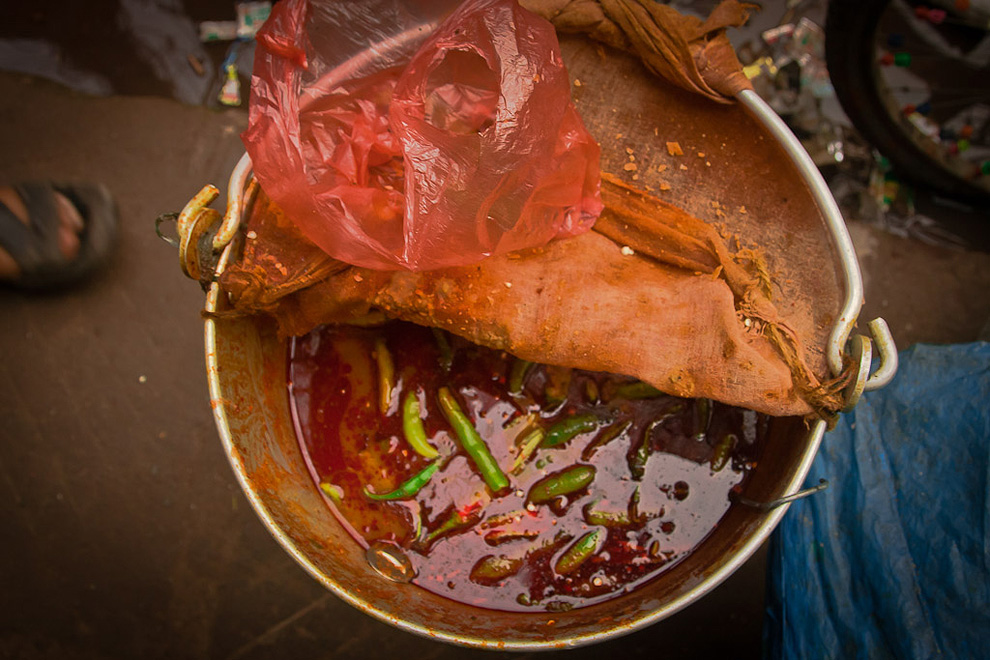
Стоманения казан е пълен с "Aлoo ки субжи" (люти чушки с домати и различни подправки) и се поднася с "Kaчори" (силно изпържени банички, направени с бяло брашно, топено масло и вода, пълнени с подправено пюре от зеленчуци или боб) - всичко това е за Ифтар през Рамадан. Снимката е направена от Чандни Чоук, Стария Делхи, Индия, 4-ти септември, 2010. (© Priyanka Sachar) #

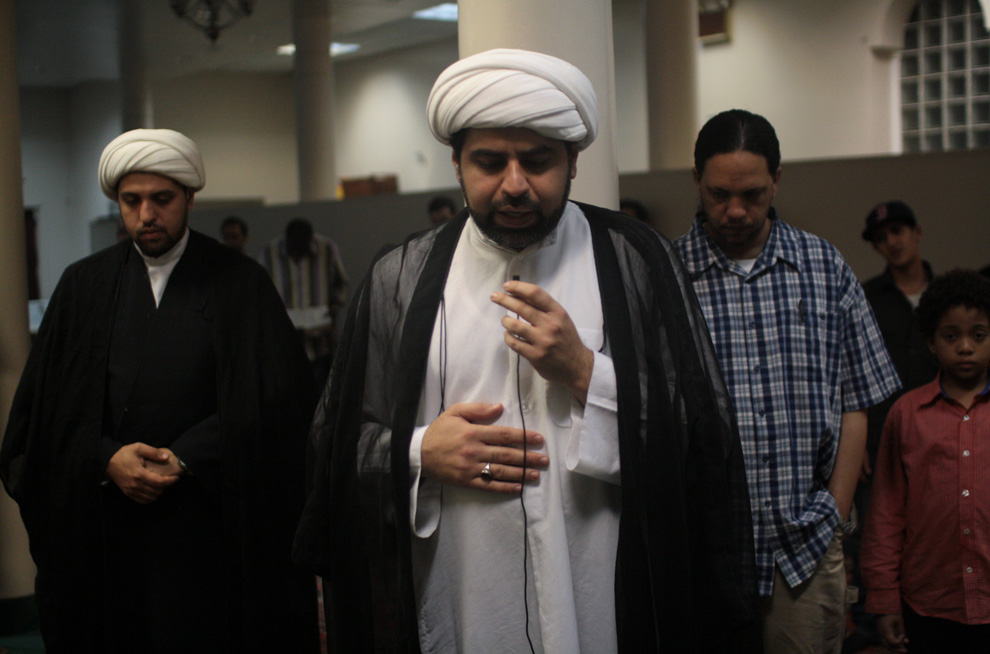
Шейх Хасан ал-Карбалаи ( в центъра) води джамаат по време на молитва в Джамията Ахл-ул-Байт, на Атлантик Авеню в Бруклин, Ню Йорк, 19-ти август, 2010. (© Daniel Peyser) #

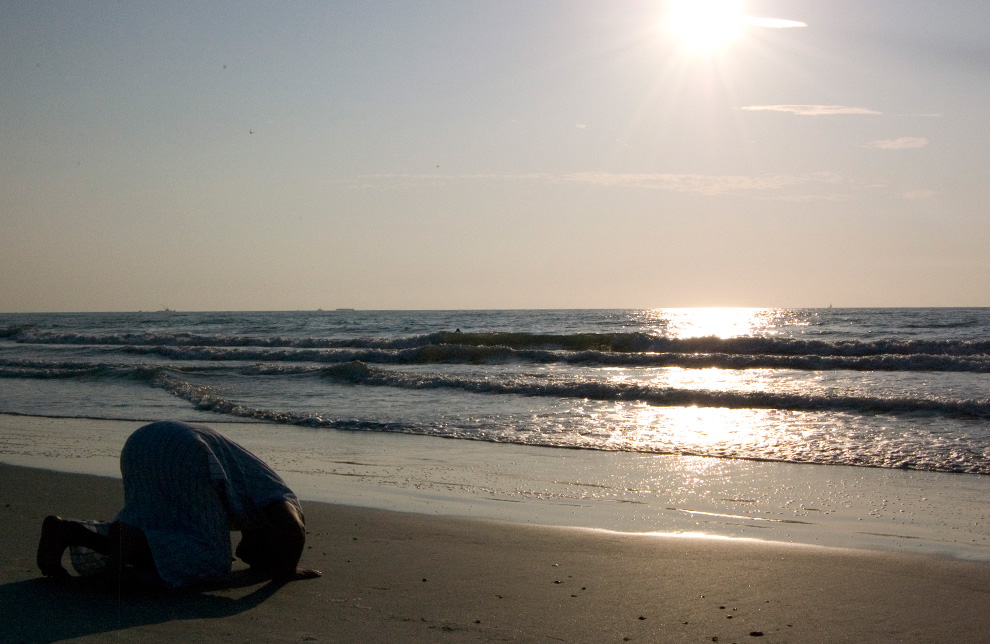
Моята Салат-ул-Фажр на Какао Бийч във Флорида, август, 2010. (© Muhammad Saif/Ahmad Deeb) #

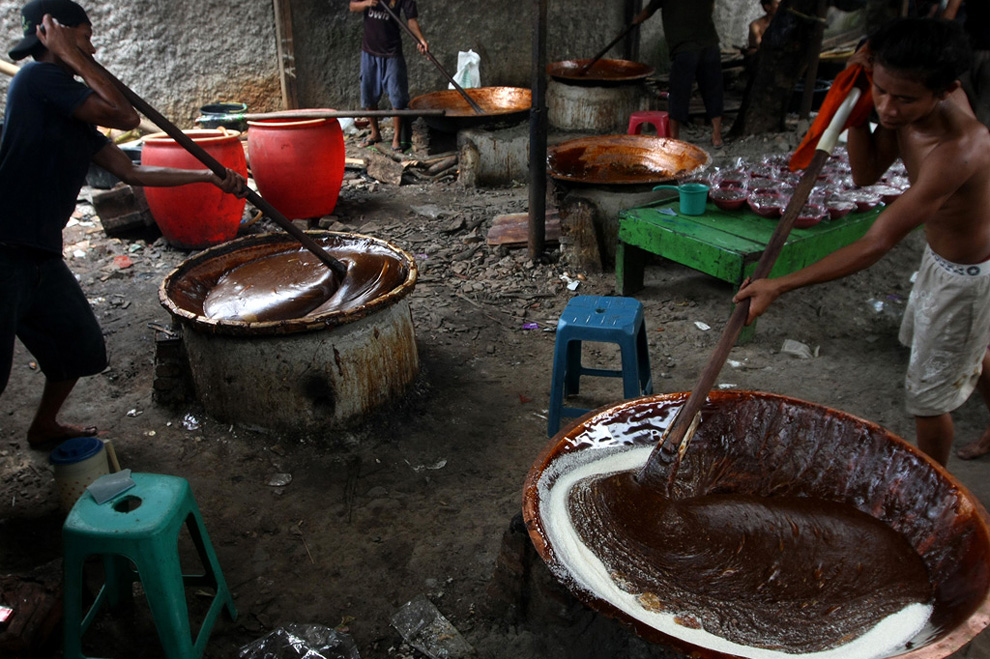
Работици разбъркват Додол Бетауи (Бетауи е традиционален садкиш) в селото на майстора на Додол Бетауи, Калибата, Джакарта, 2-ри Септември, 2010. (© Afriadi Hikmal) #

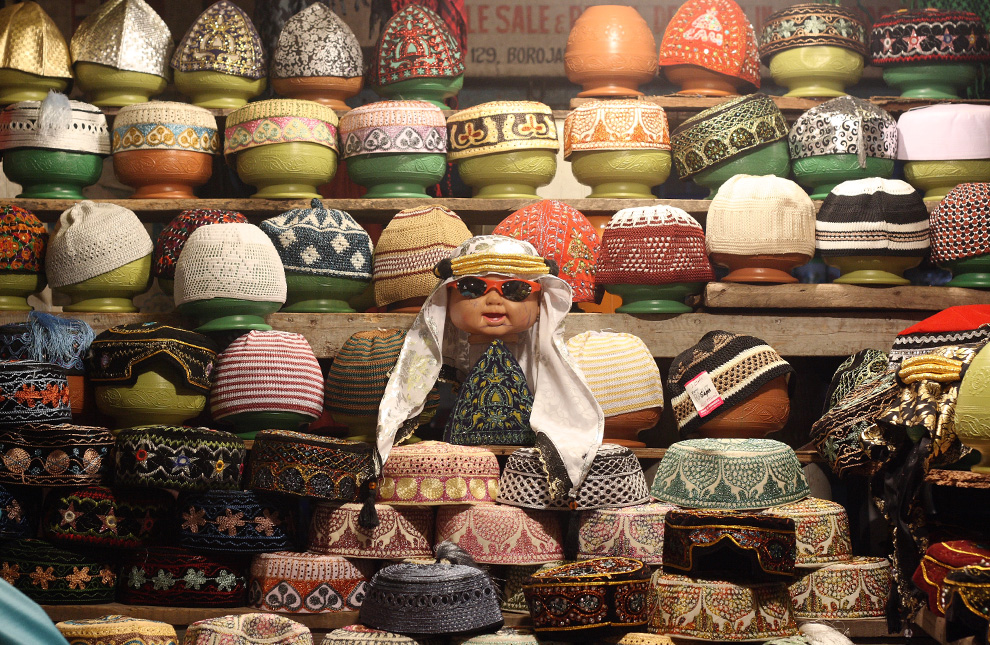
Стелаж а шапчици за молитва и кукла, облечена в традиционен арабски стил,  Шиважи Нагар в Бангалор, Индия, 4-ти септември, 2010. (© Abubaker) #

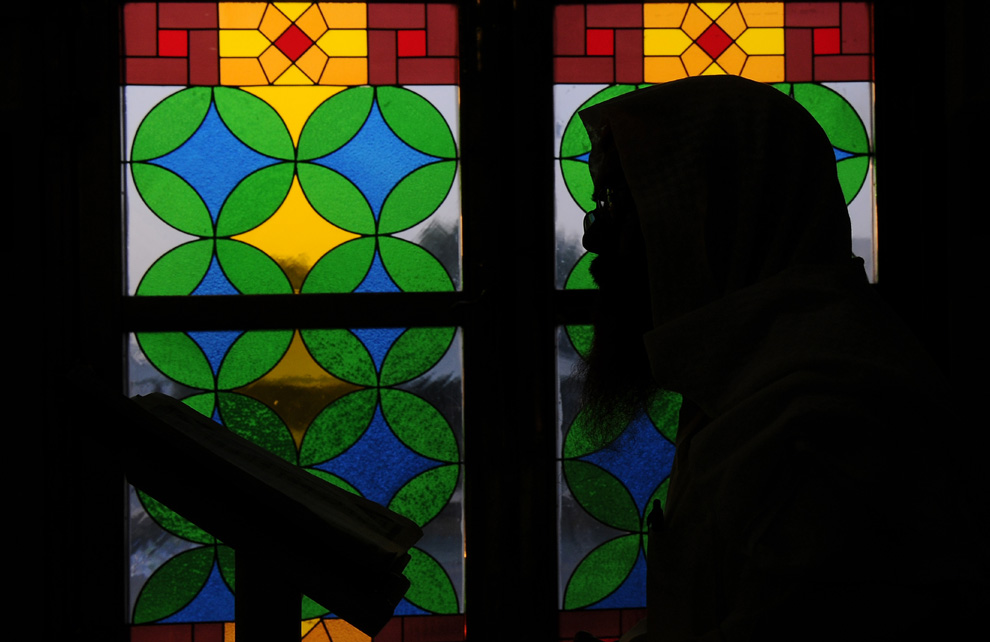
Четене на Коран, Риад, Саудитска Арабия, 25-ти август, 2010. (© Dhafer Alshehri) #

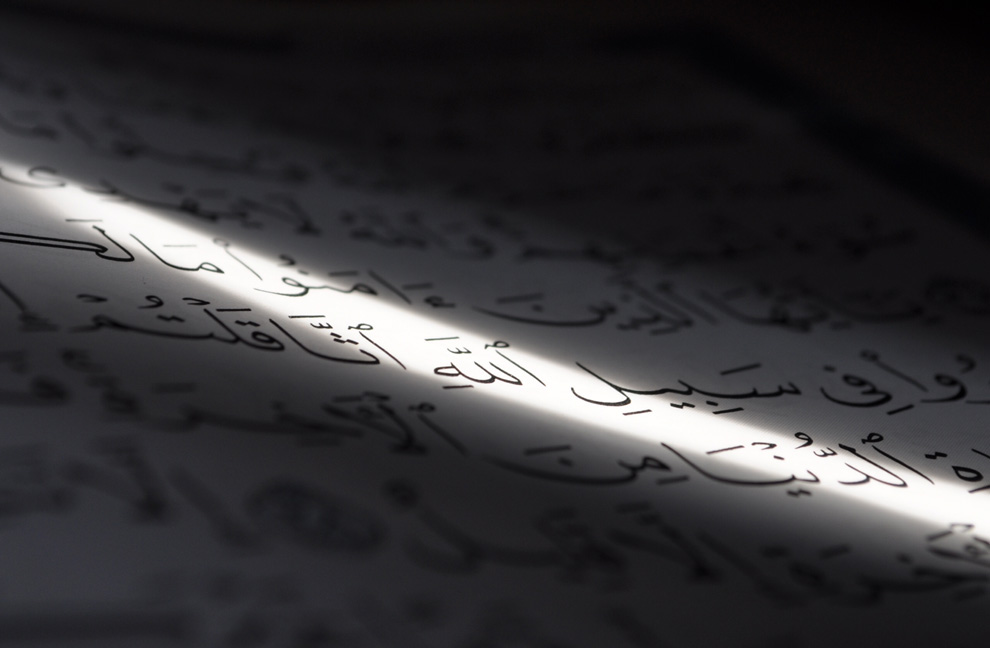
Името на Бог, огряно от лъч светлина, началото на Рамадан. Снимката е от Манасас, Вирджиния. (© Hasan Kazmi) #

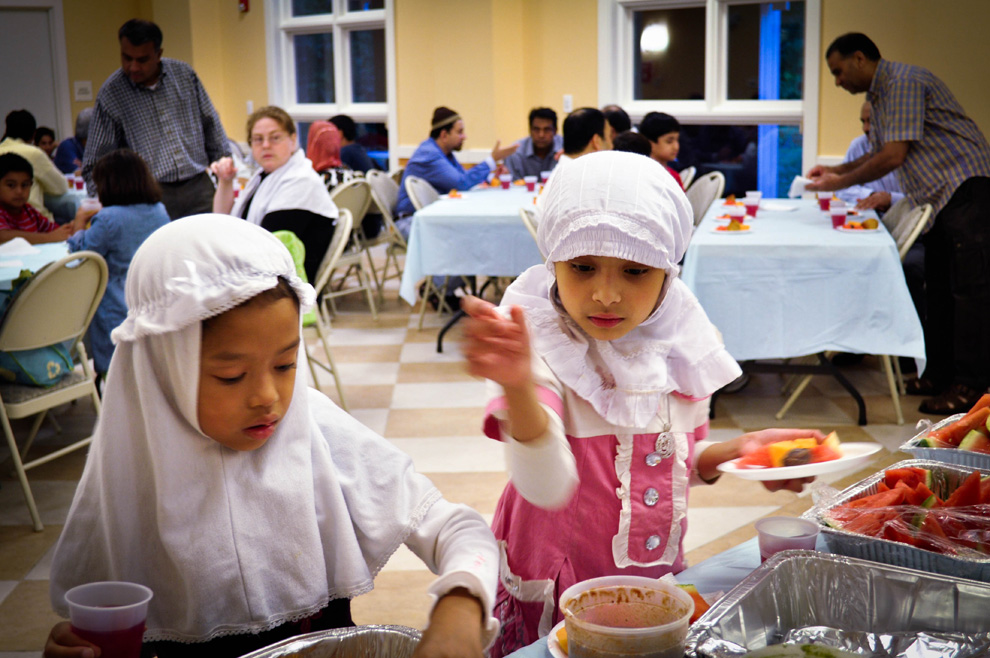
Тези момиченца се приготвят да разговеят след дългия си ден в пост, Ислямски Център в Уайланд, Масачузетс, 4-ти септември, 2010. (© Zeenat Rasheed) #

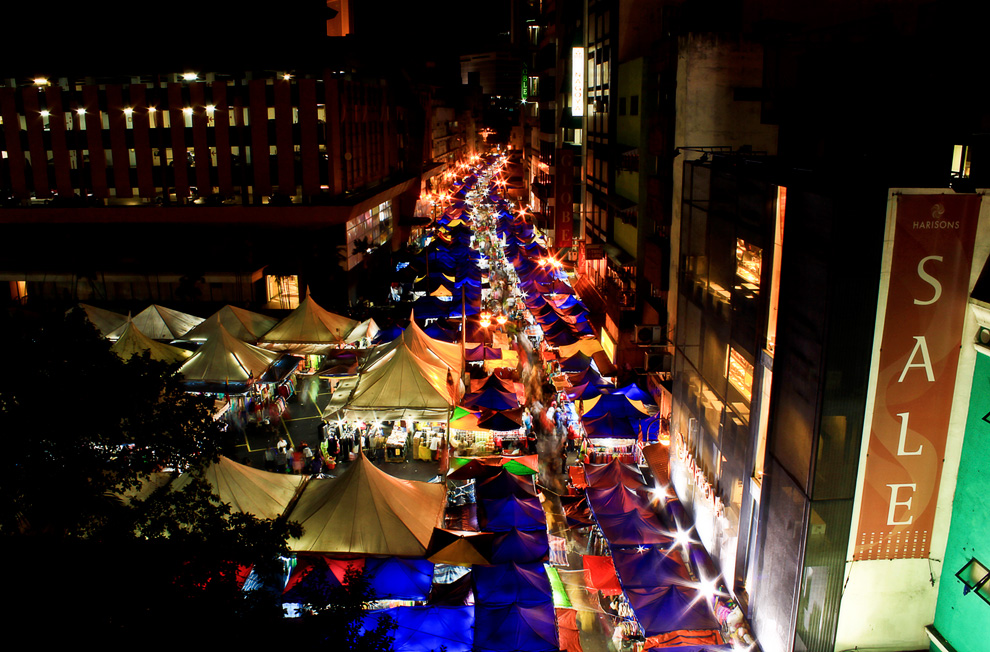
Всяка годиа през Рамадан, се открива огромен базар в Куала Лумпур и покрива всички алеи на Джалан Тунку Абдул Рахман. Това, което се продава, е предимно за подготовка на идващия Шауал, тълпите никога не секват... (© Mohd Shazni Zainal) #

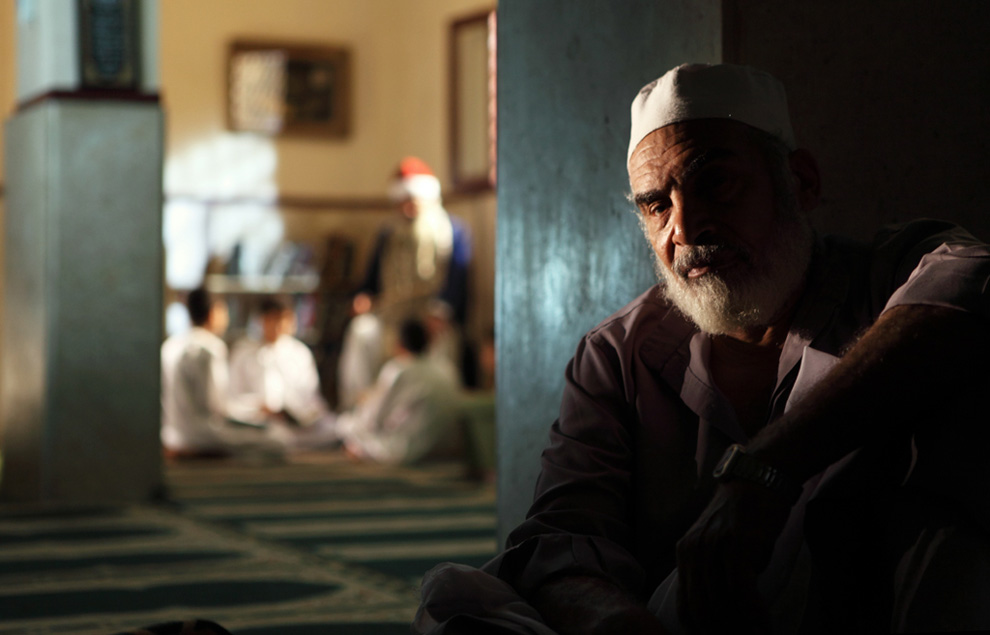
Шейх учи деца на Коран...и възрастен човек слуша и мисли на спокойствие, Шубра, Кайро, Египет. (© Khaled Zohny) #

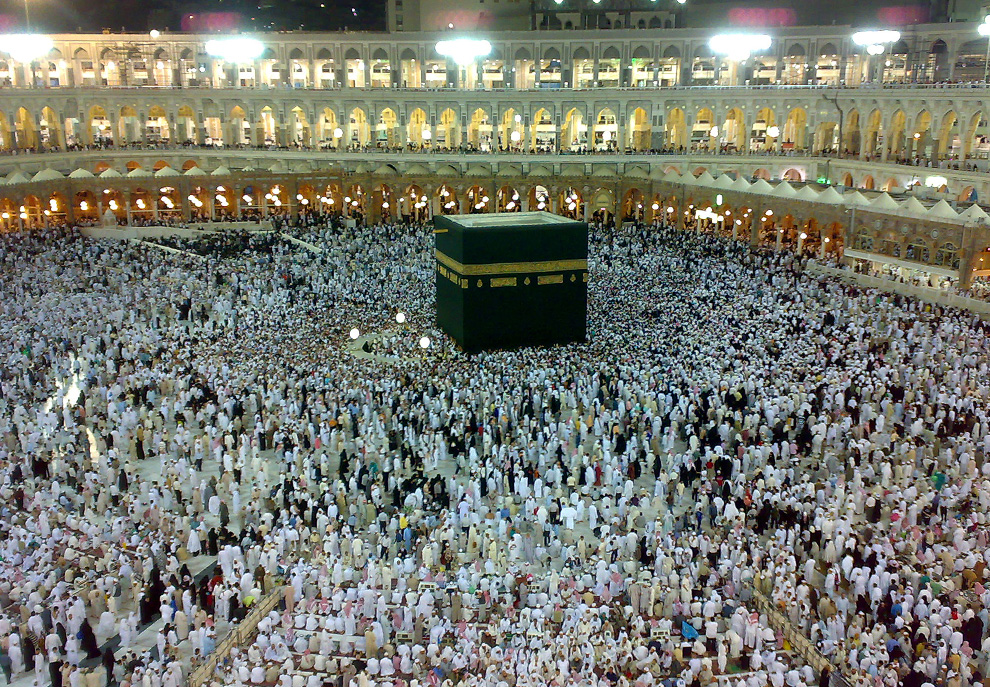
Мюсюлмани в Кааба, Мекка, Саудитска Арабия. (© Ahmed Ismail) #

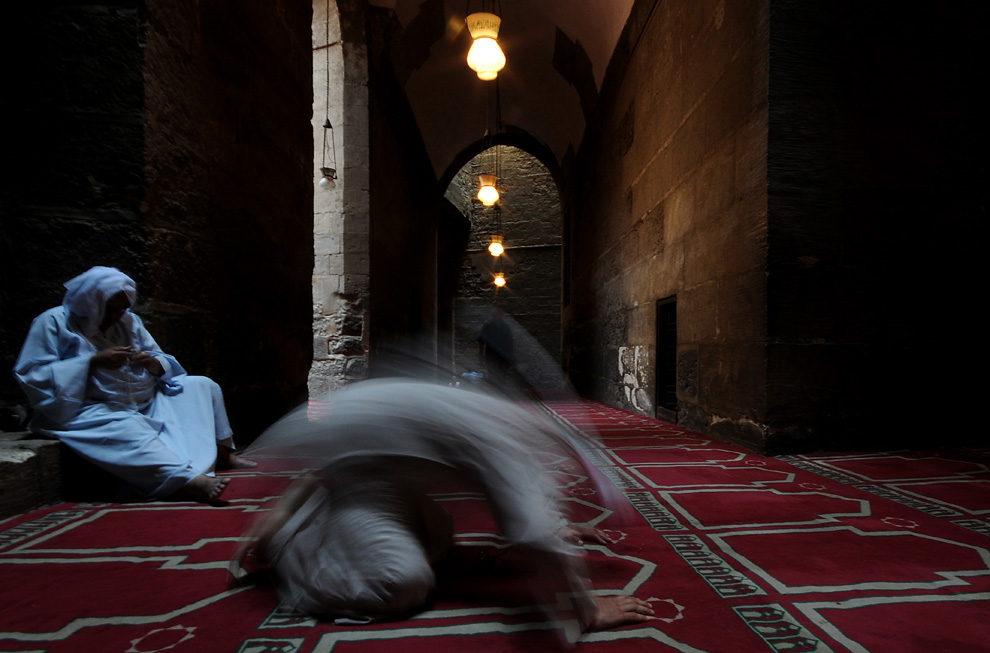
Мъж прави молитва в джамията Султан Хасан, Кайро, 20-ти септември, 2010 (© Mohamed Hossam Eldin) #

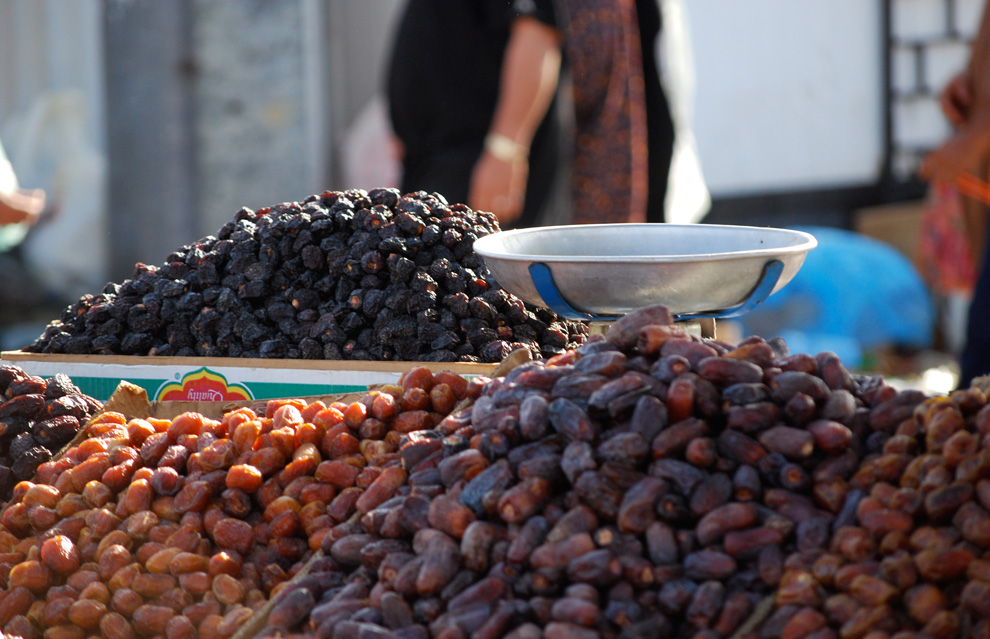
Когато си мисля за Рамадан, в главата ми веднага изниква образа на фурмите, независимо от размера им, дори една от тях може да утоли глада на постещия. Имат богат вкус и тяхната сладост изумява. ТРадиционно края на поста е с фурми и малко вода. Когато чух Адана (призива за молитвата МАгриб - молитвата след залез слънце), тялото ми искаше своята фурма. (© Amna Rehmatulla) #

Мюсюлмани в очакване на петъчната молитва по време на Рамадан, джамията Султан Еюб в Истанбул, Турция, August 20th, 2010. (© Pierre Marsaut) #

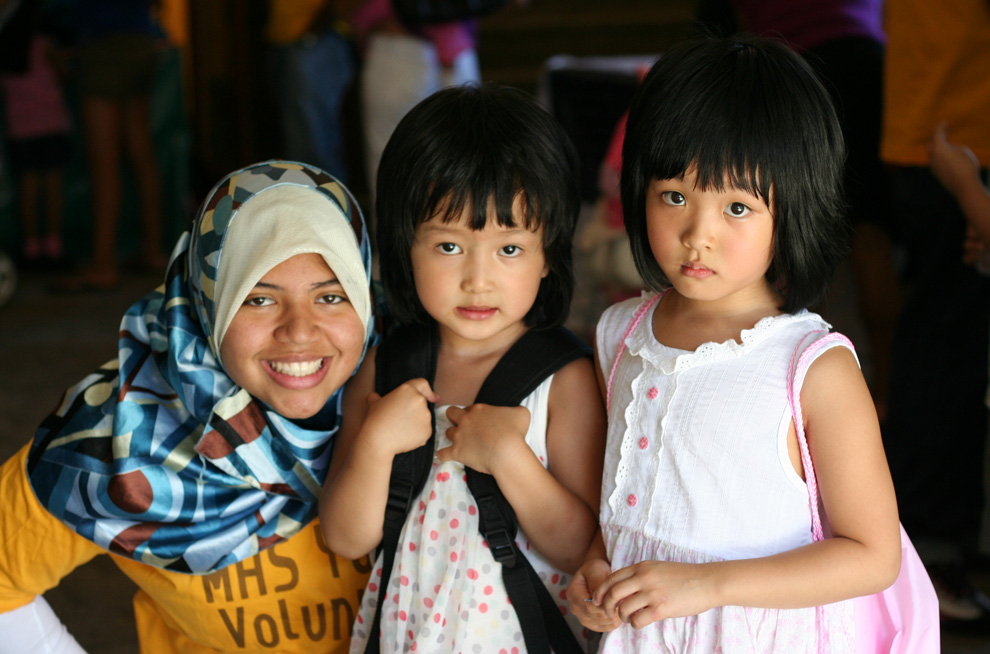
Рамадан потиква американски мюсюлмани за повече благотворителност. На снимката - раздават раници в Ню Йорк, САЩ, August 29th 2010. (© Omar Ranginwala/Islamic Circle of North America) #

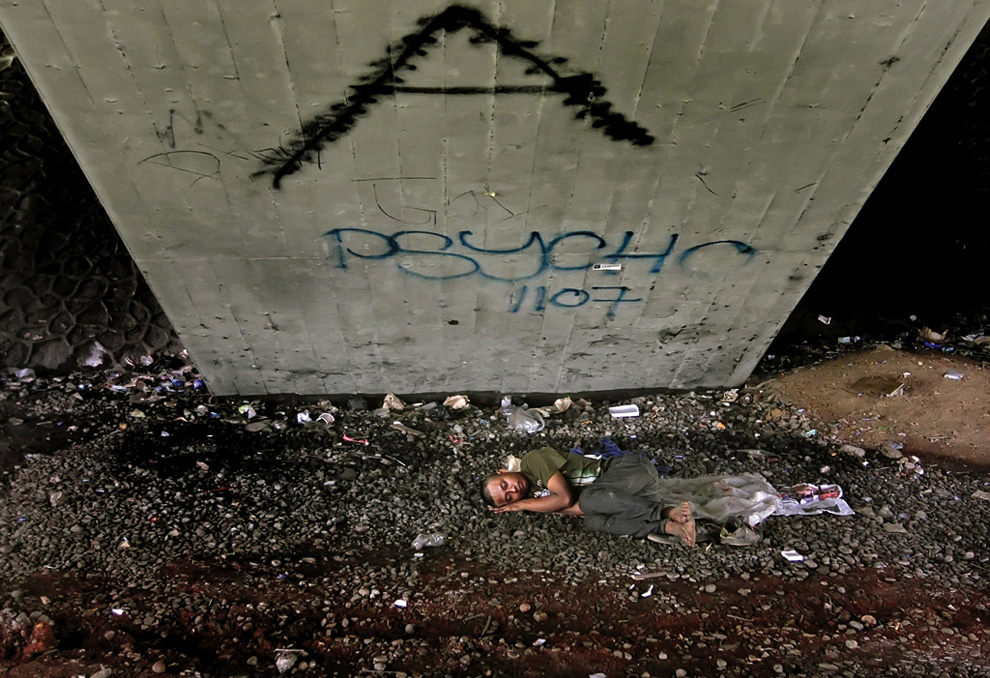
Cold Comfort. A homeless man tries to get some rest amid the garbage under the bridge in Jakarta, Indonesia. He will no doubt be joined by many more destitute people seeking a place to lay their heads as beggars descend on the capital during Ramadan, hoping to capitalize on people's goodwill during the holy season. (© Afriadi Hikmal) #

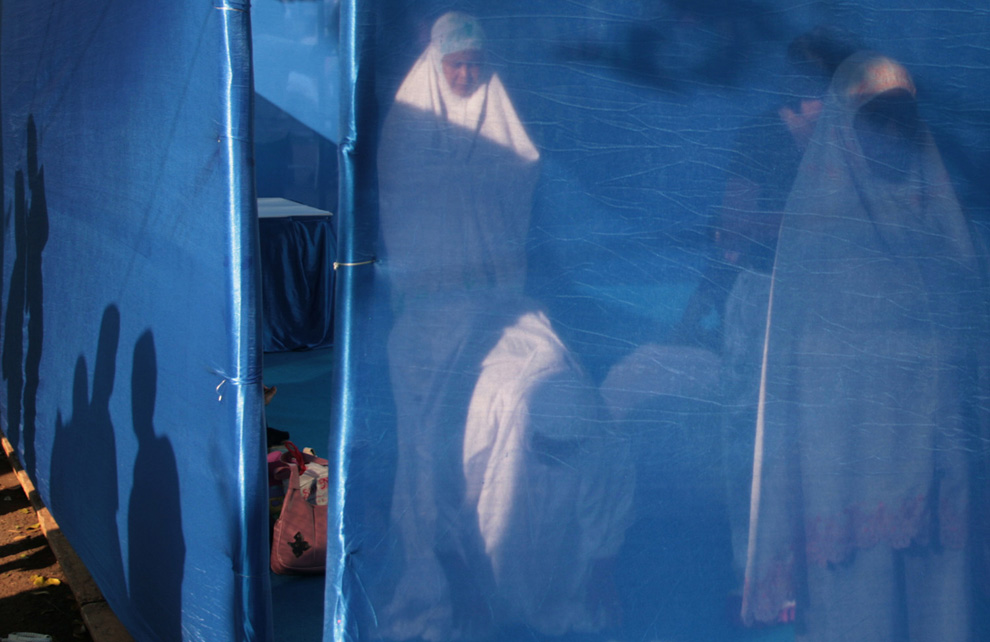
Мюсюлманки правят следобедната си молитва във временна мусалла (място за молитва) по време на празник в Джакарта, Индонезия, Augiust 28th, 2010. (© Nugroho Budianggoro) #

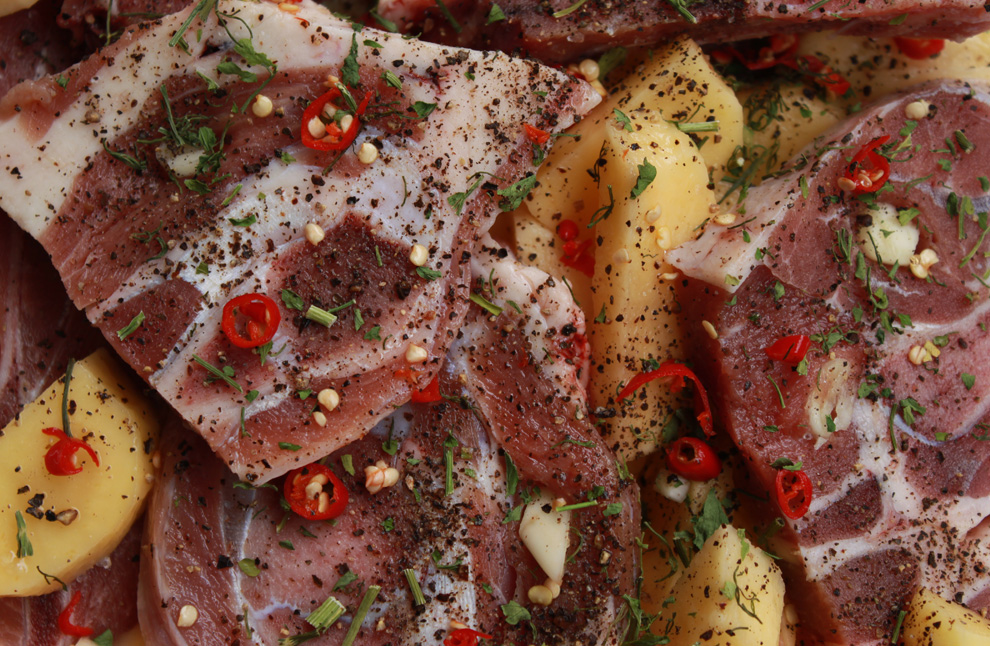
Приготвено чеченско семейство халал агнешко месо за Ифтар за учащи в Малайзия, September 5th, 2010. (© Alieva Iman) #

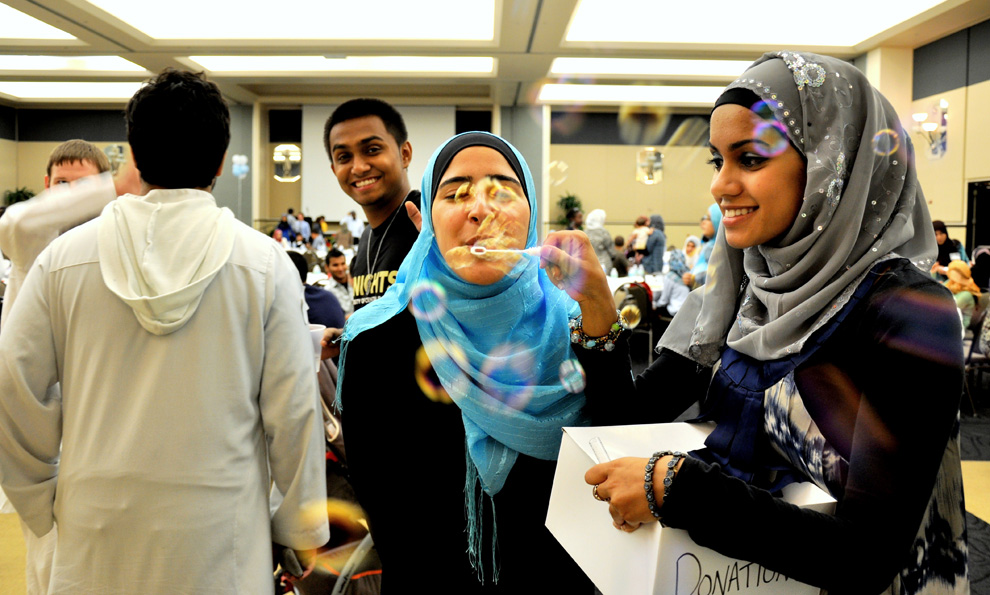
Надин Абу-Джубара & Шазма Палиагат правят балончета на годишния Фаст-а-тон (събитие, организирано от Асоциацията на Студентите Мюсюлмани) в Орландо, Флорида, September 1, 2010. Тази година помогнаха за помощта за Pakistan Flood Relief. (© Raqeebah Zaman) #

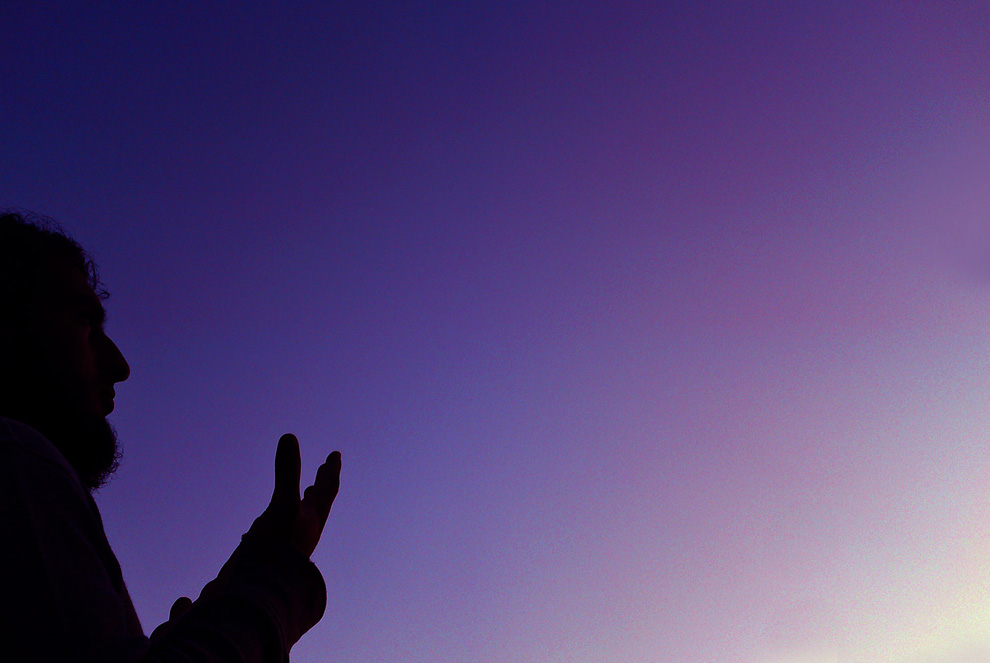
Този мъж е вдигнал ръце за дуа преди да започне поста, Помона, Калифорния. (© Leena Butt) #

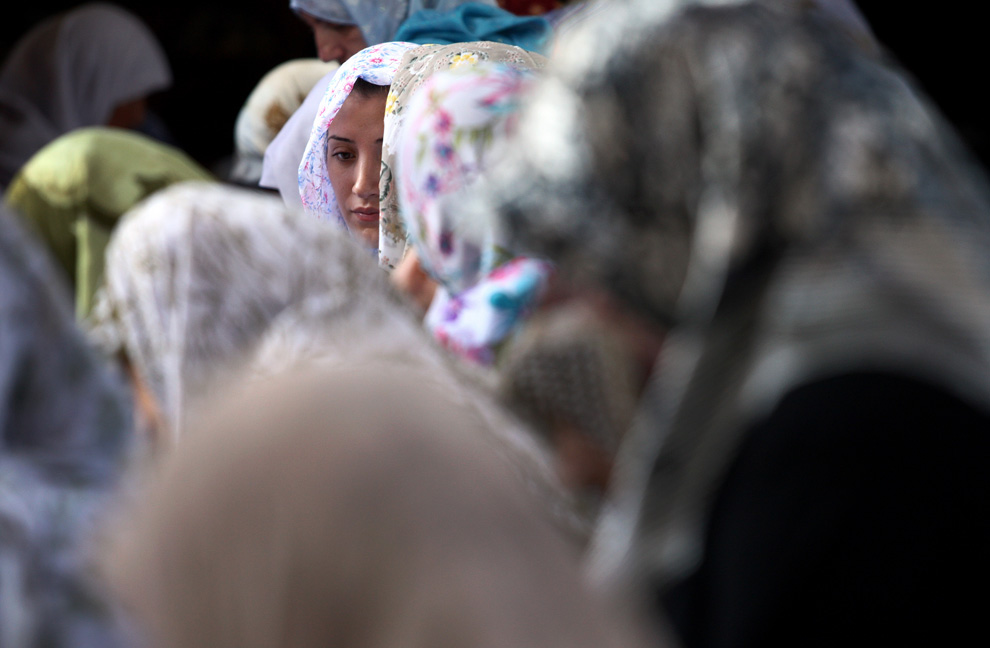
Мюсюлманки в джамията Султан Еюб, по време на петъчна молитва през Рамадан, August 21st, 2010 in Istanbul, Turkey. (© Boryana Katsarova) #

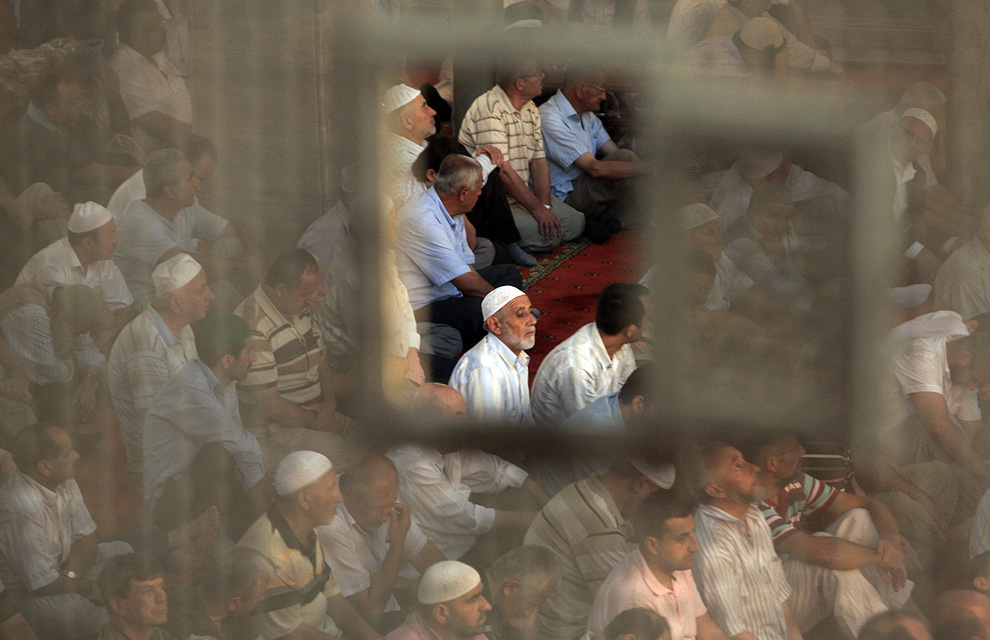
Служещите са снимани през дървената преграда, отделяща мюсюлманките от мъжете, джамията Султан Еюб, Истанбул, Turkey. (© Pierre Marsaut) #

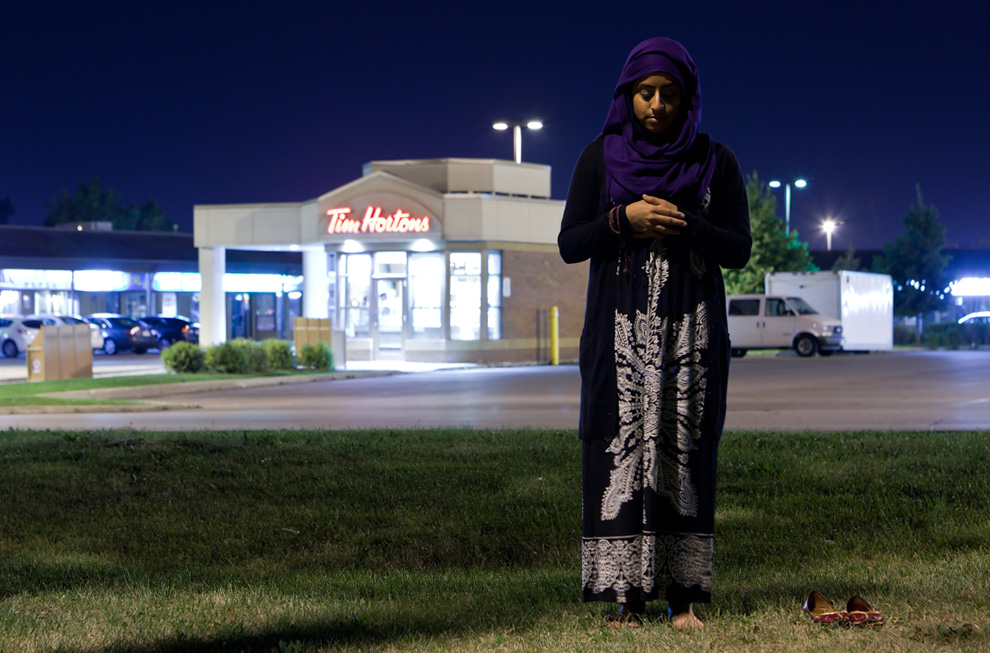
Канадска мюсюлманка си прави молитвата на тревата близо до верига кафенета Тим хортънс, Онтарио, September 6th 2010. Повече от 500,000 мюсюлмани наричат Канада свой дом, тесе опитват да съчетаят ислямската и канадксата си идентичност. (© Yasin Dusoruth) #

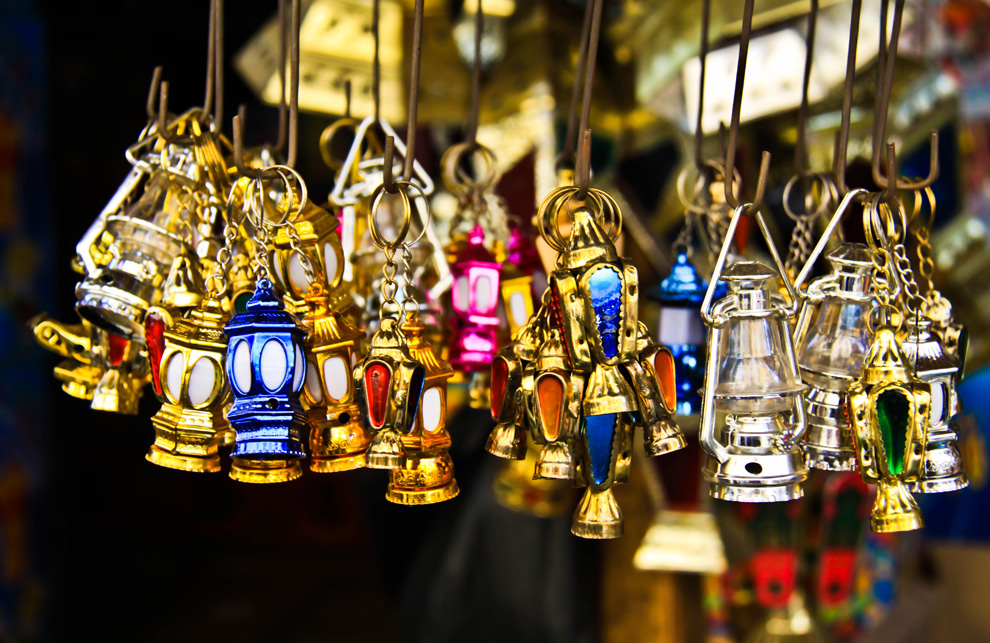
ТРадиционните пъстроцветни фауаниис в Горийа, Кайро, August 12 2010, (© Sherifa A.) #

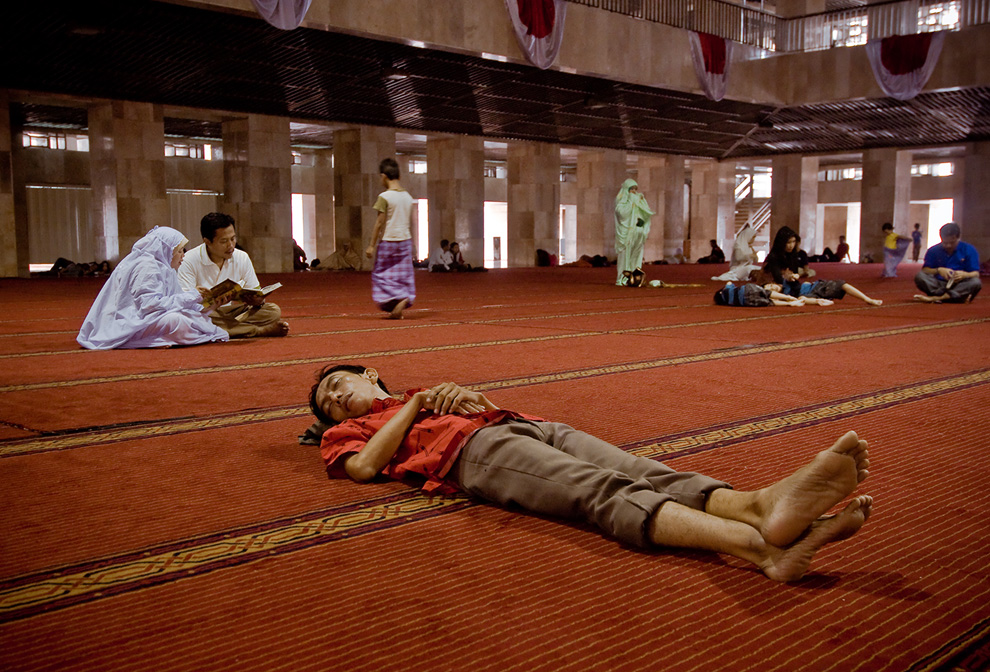
Мъж си почива след следобедната молитва в Истиклал Джамия в Джакарта, Индонезия, September 5th, 2010. (© Rizal Adi Dharma) #

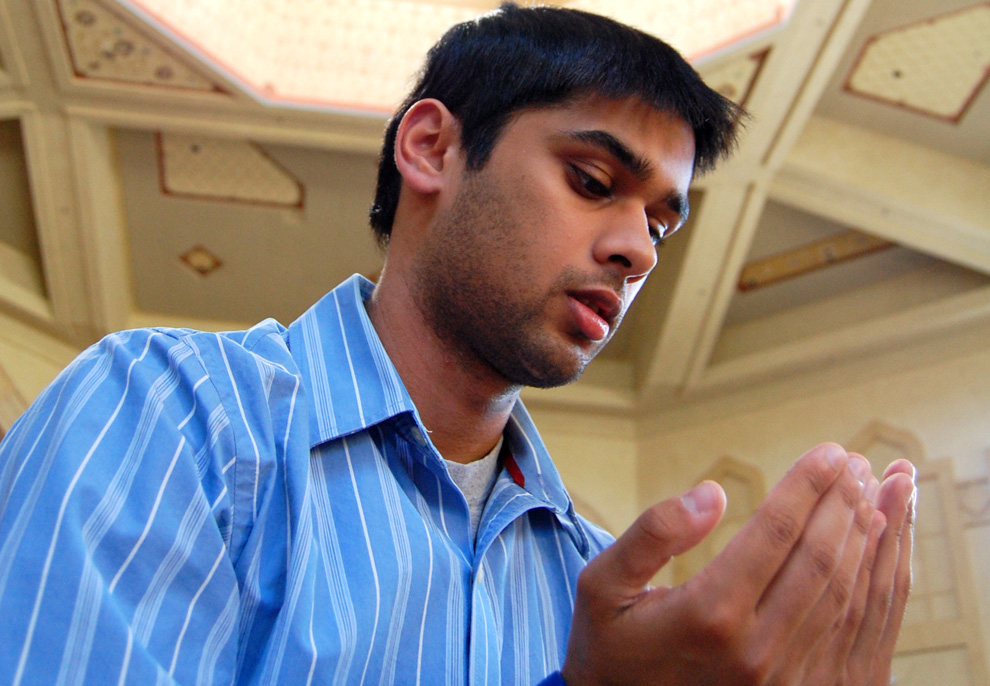
Млад американски мюсюлманин вдига ръце в началото на последната молитва за петък през Рамадан, Джамията Ал-Фарук, Атланта, Джорджия. (© Akbar Khader) #

Пазар за храна през Рамадан, Джакарта. (© Turgen Alymbekov) #

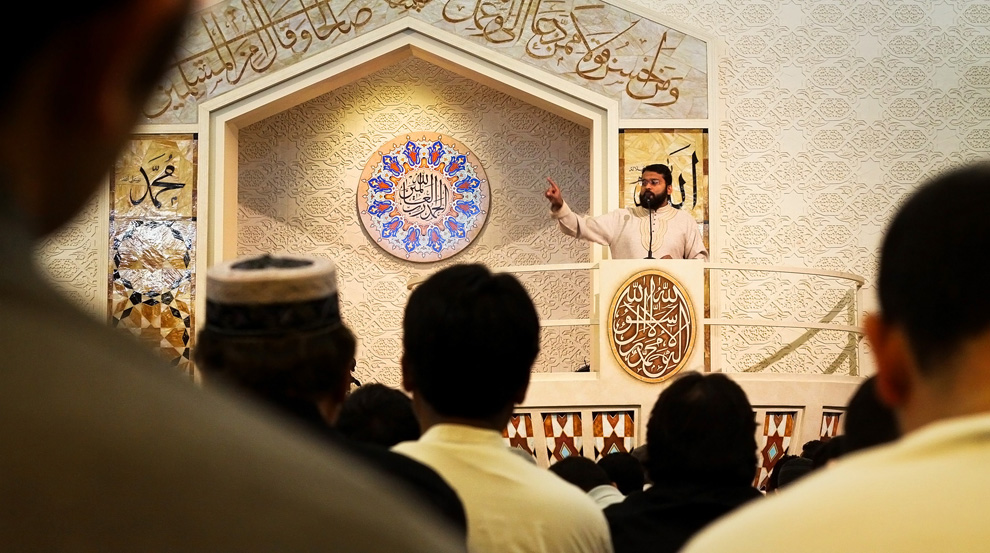
Мюсюлмани в Южна Калифорния случат проповядващия Юсер Кади, който им говори за ползата от Кийам ал-Лейл (нощната молитва), Saturday, August 4, 2010 в Ирвин, Калифорния. (© Salman Jafri) #

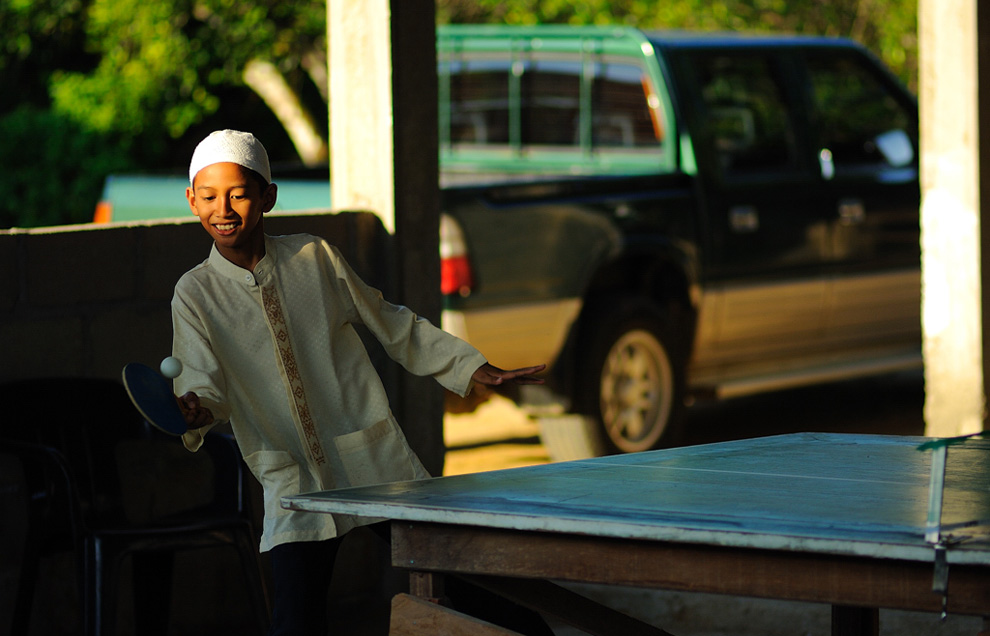
Младо мюсюлманско момче играе на тенис, докато чака Ифтар в Ал-Каутар,  Яванска мюсюлманска общност, базирана в район на Суринам, Южна Африка. (© Ertugrul Kilic) #

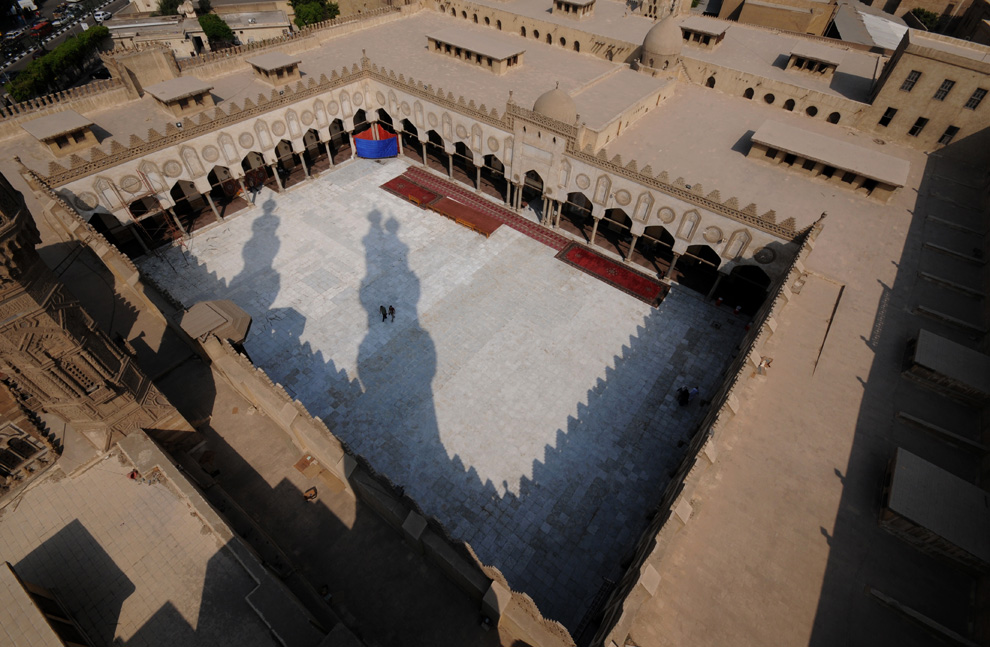
Поглед от високо към джамията ал-Азкар, виждат се двама човека, които влизат в двора, за да направят молитва, August 14th, 2010 в Ел-Сакакени, Ел-Захер, Кайро. (© Mohamed Hossam ElDin) #

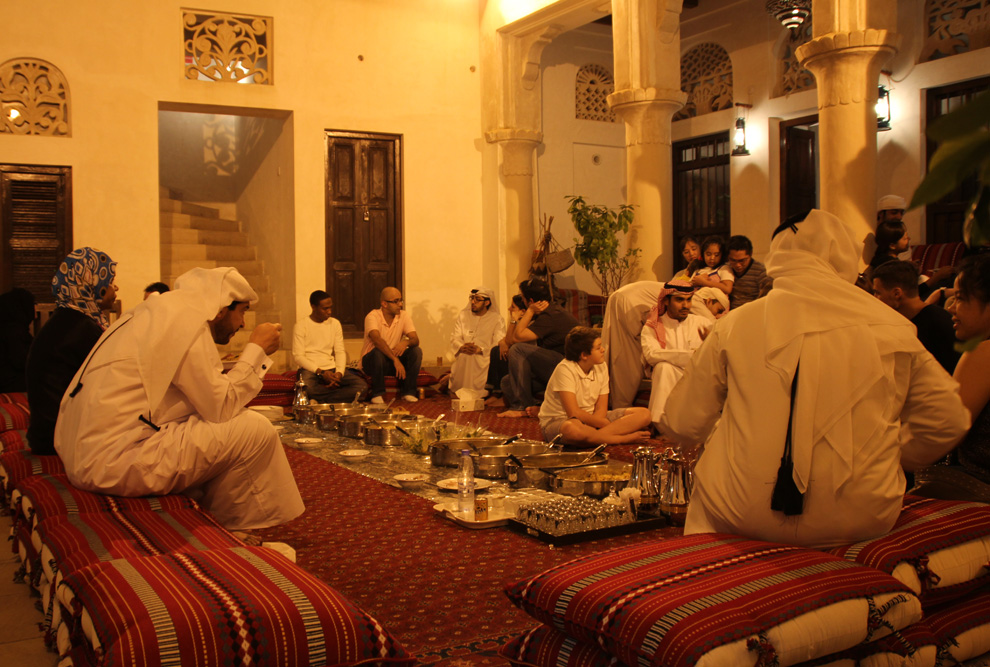
Отворени умове и врати: Граждани на Емирствата и чужденци споделят Ифтара и разговарят за Ислям, за нещата, които ни правят различни и които са еднакви- в Центъра за Културен Диалог на Шейх Мухаммад, Дубай, September 3rd, 2010. (© Borisz Merei) #

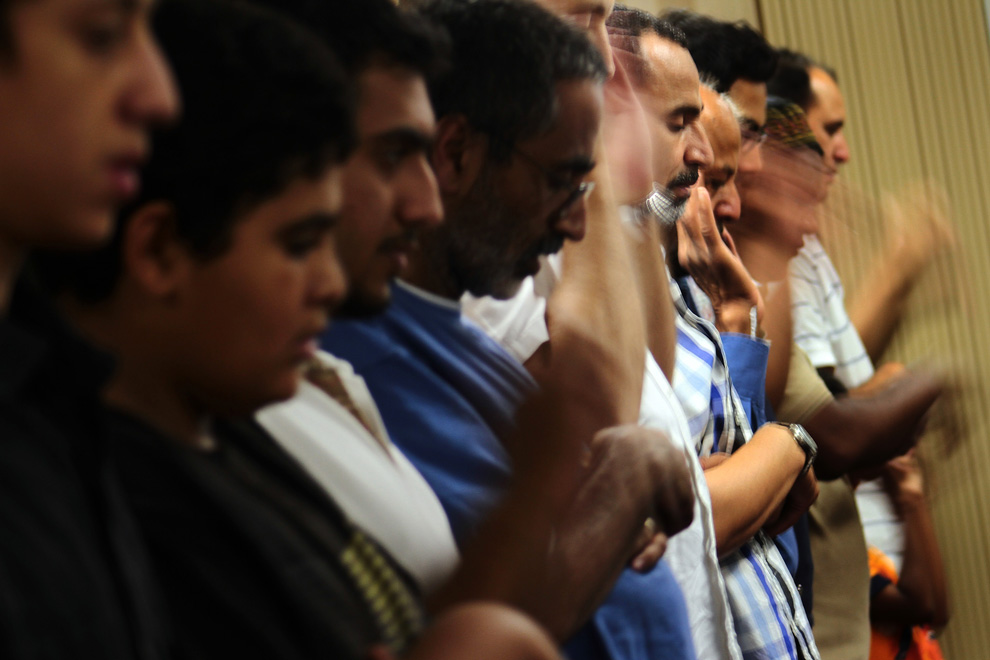
Мюсюлмани по време на молитва в джамията в Отава, Канада. (© Kamal Sellehuddin) #

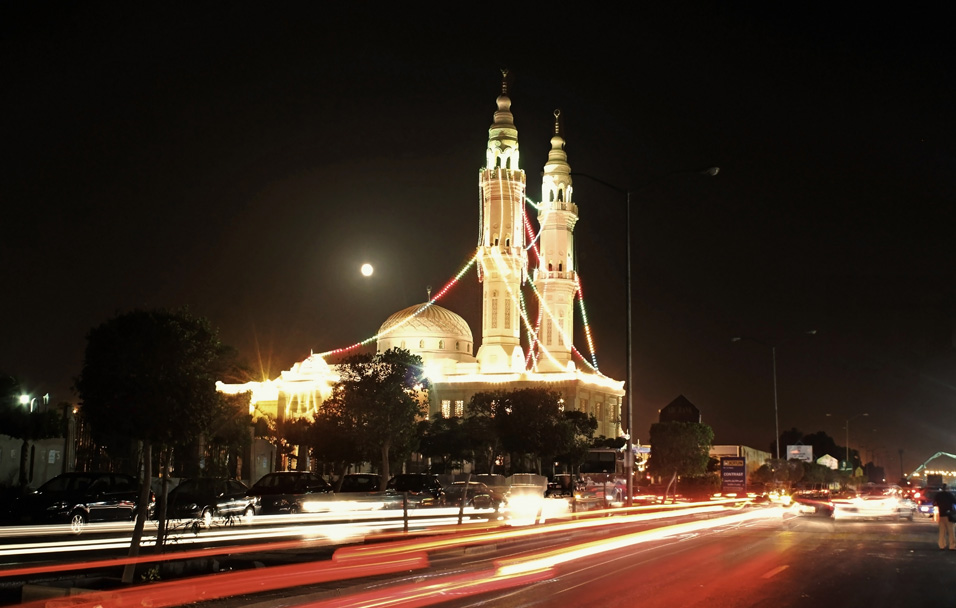
M.U.S.T джамия, близо до Кайро, Египет. Джамията е силнов осветена през всичките 30 дни на Рамадан. (© Mosa'ab Elshamy) #

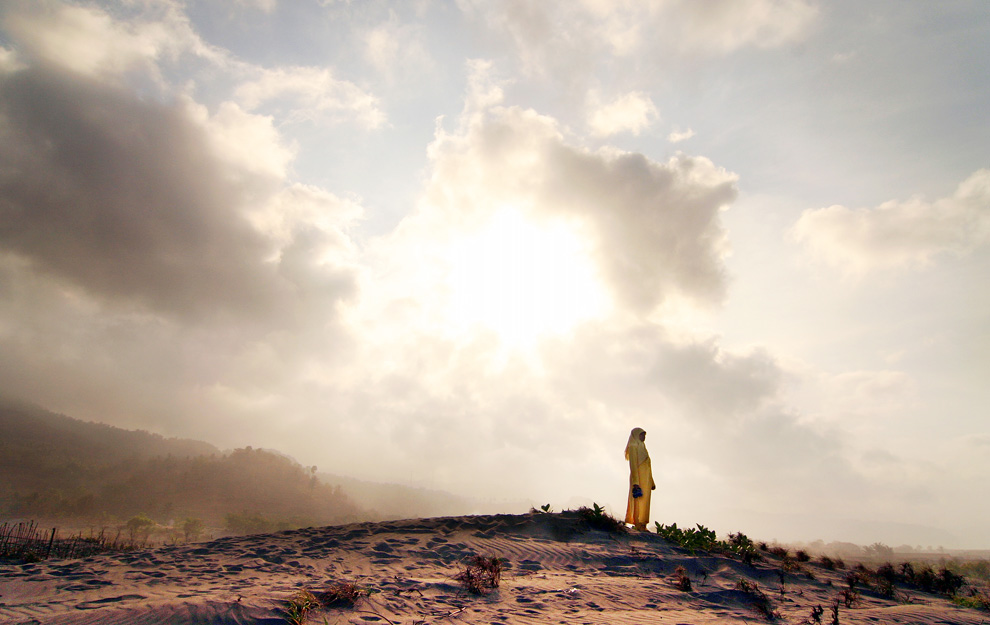
A muslim woman takes in the sunrise at the side of a mass prayer in the desert at Parangkusumo, Yogyakarta, Indonesia (© Margit Haider) #

linkwithin

Related Posts Plugin for WordPress, Blogger...

Популярни публикации